
FEL Grants: Supported projects
FEL regularly provides small grants to fund projects that revitalize and support the use of endangered languages. On this page you can see reports from a selection of the projects that we have supported. By joining FEL, you can support activities such as these.
Select a grantee, language, region, or year:
Grantee:
Language:
Region:
Year:
Grant projects conducted in region: Africa
Title: Printing, Public Presentation and Distribution of Multilingual Word List of Okpe, Urhobo and Uvwie
Country: Nigeria
Language(s): Okpe,Urhobo,Uvwie
Grantee: Akpobome Diffre-Odiete
Year: 2014
Project summary
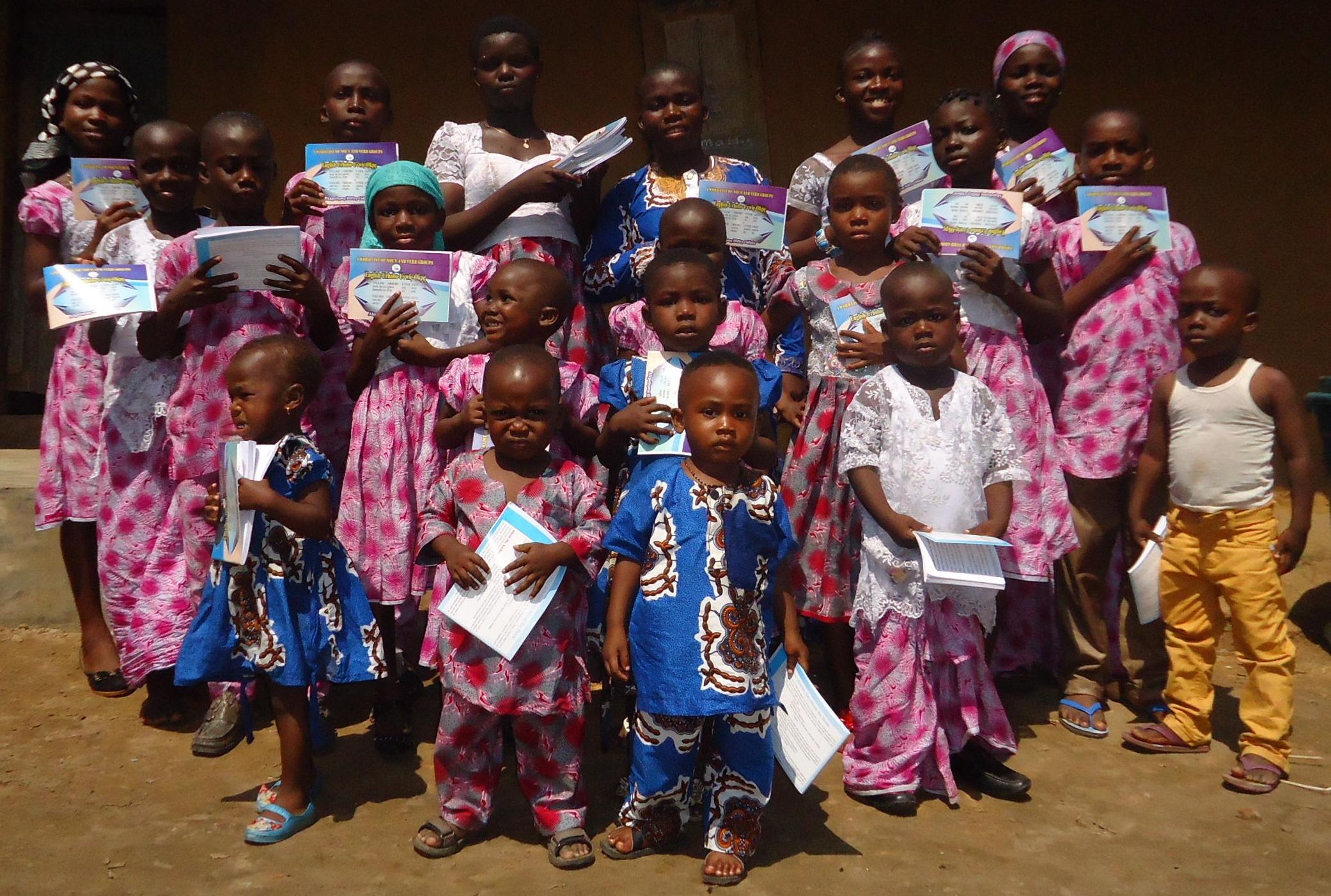
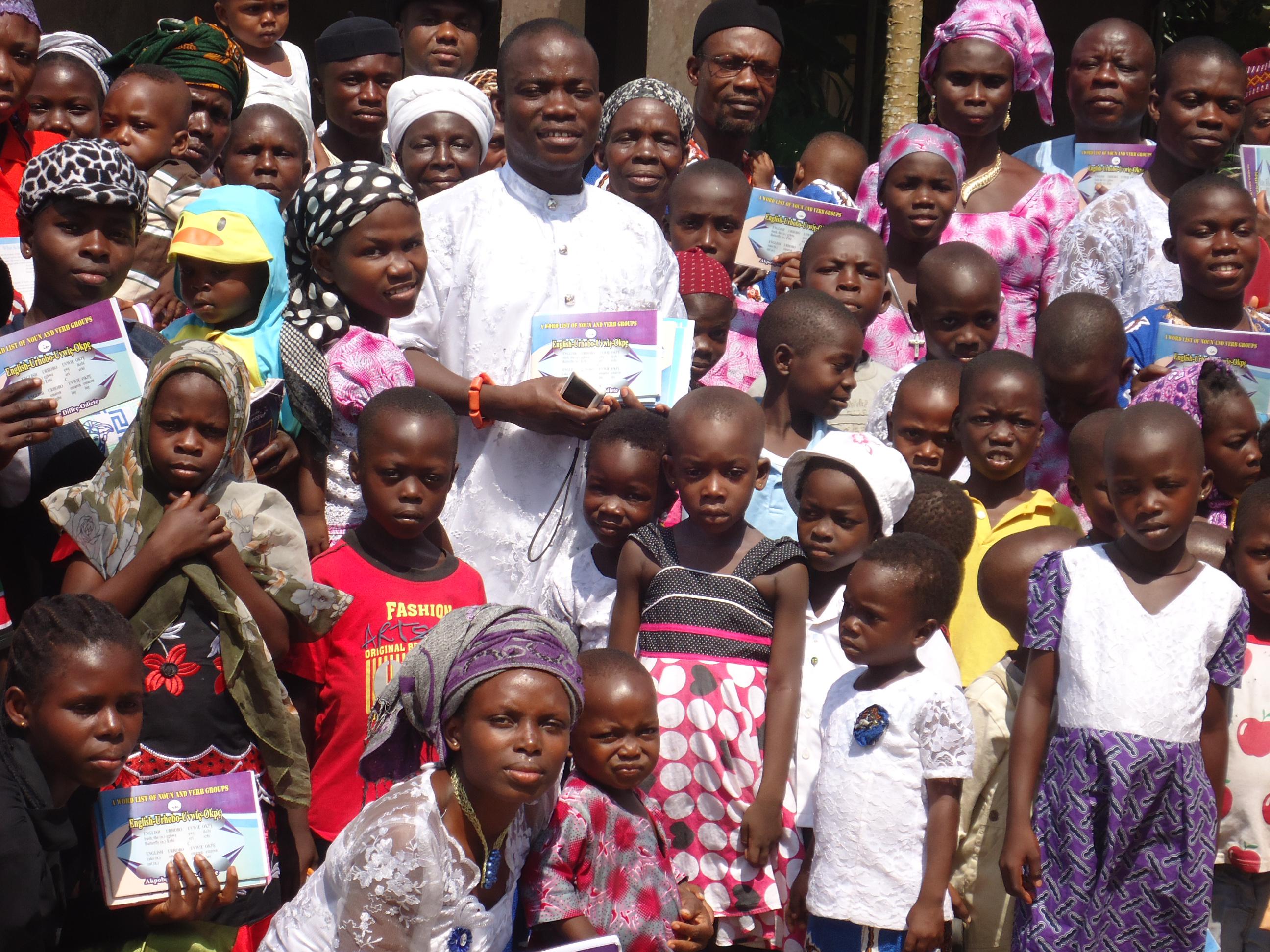
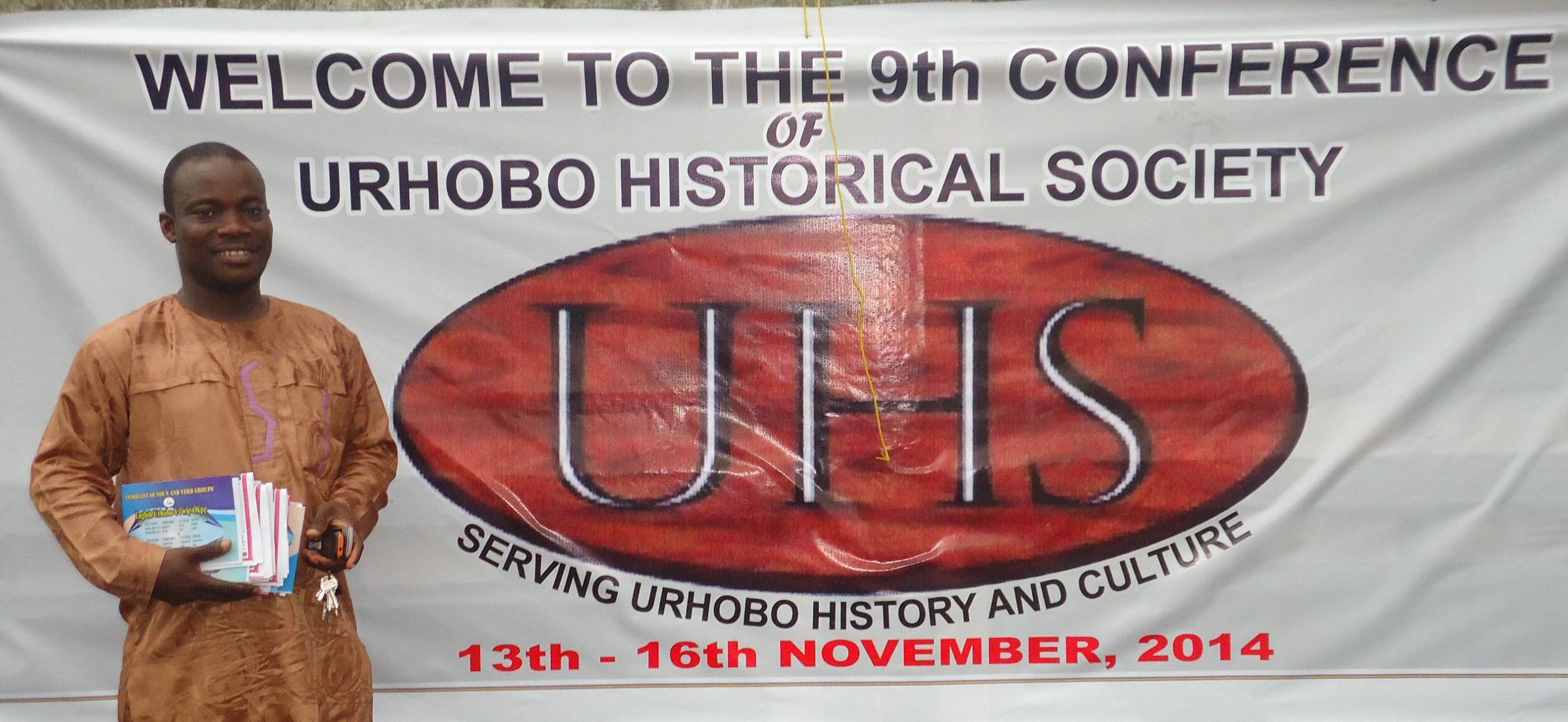
This work is the second phase of a field project in which the data were already collected and analyzed. The project aims to promote language diversity, equality and preservation among the single ethnic but linguistically distinct Opke, Urhobo and Uvwie people of southern Nigeria. In this second phase, A Wordlist of Nouns and Verb Groups in English, Urhobo, Uvwie, Okpe - A Comparative multi-lingua wordlist of English-Urhobo-Uvwie-Okpe was printed. The word list is actually the end product of the project “Three Languages, One People: Linguistic and Cultural Documentation of Okpe, Urhobo and Uvwie”, which the Foundation for Endangered Languages funded in 2013. The printed work will serve as a balanced reference material to linguists, students and general users of the three languages.
More information on the background of the project is available at https://themowoecentre.wordpress.com/language-documentation-issues/
Title: We Begin to Write: Creating and Using the First Nabit Orthography
Country: Ghana
Language(s): Nabit
Grantee: Robyn Giffen
Year: 2014
Project summary
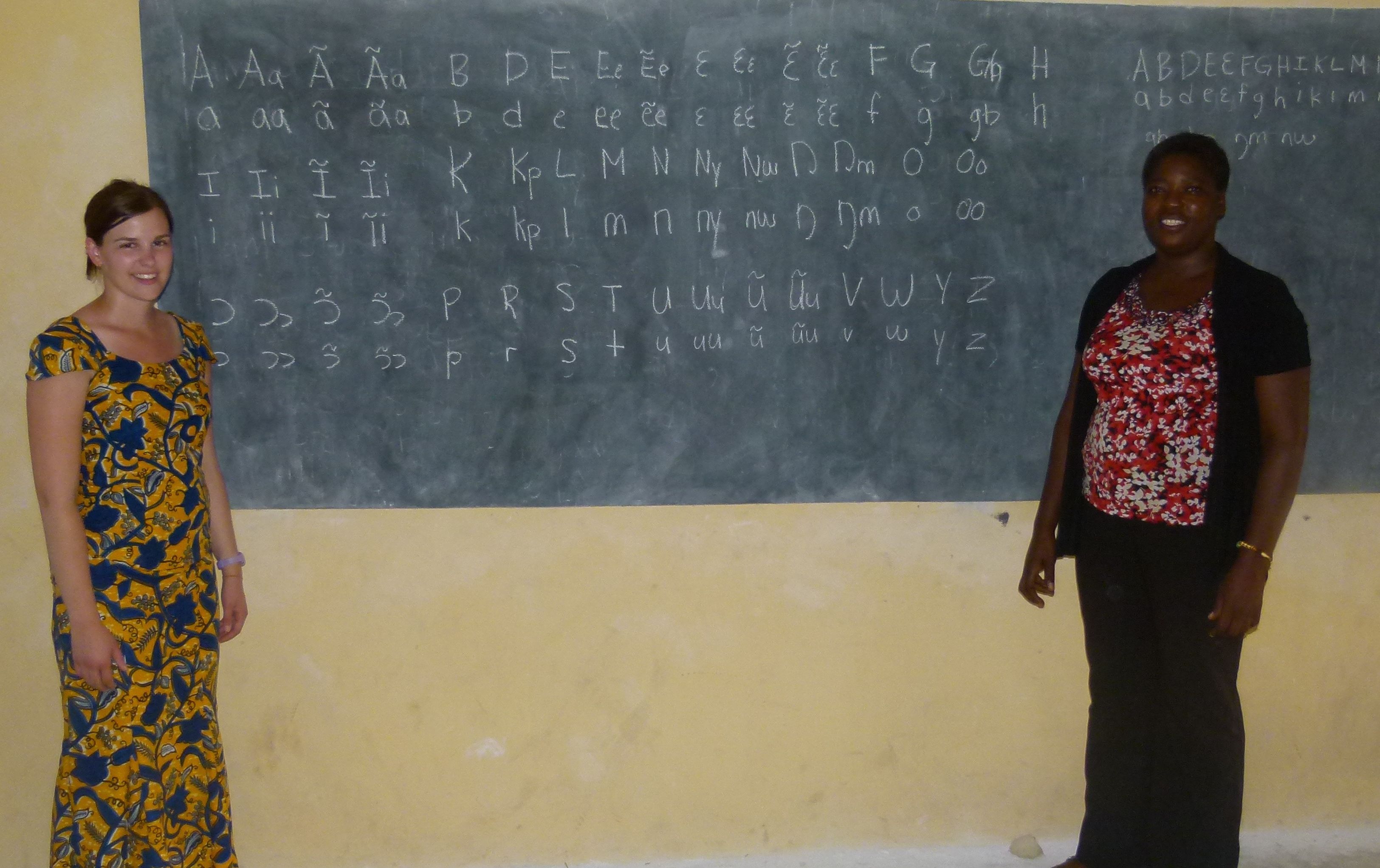
The main goals of this project were to document speakers of the Nabit language, work with the Nabit Language Committee to develop an orthography for the Nabit language, and create materials to help people learn to use the orthography. This project also aimed to help maintain and revitalize this endangered language.
To conduct this project I travelled to Ghana for six week from May 2014 till June 2014. During these six weeks I interviewed thirteen Nabit speakers and met with the Nabit Language Committee twice to finalize the Nabit orthography. My interviews were designed to document the phonology, meaning the sounds, of the Nabit language and understand how Nabit speakers felt about their language. Along with helping to develop the Nabit orthography, I was interested in investigating how community members felt about the potential of a having Nabit orthography and how they felt about their language in general.
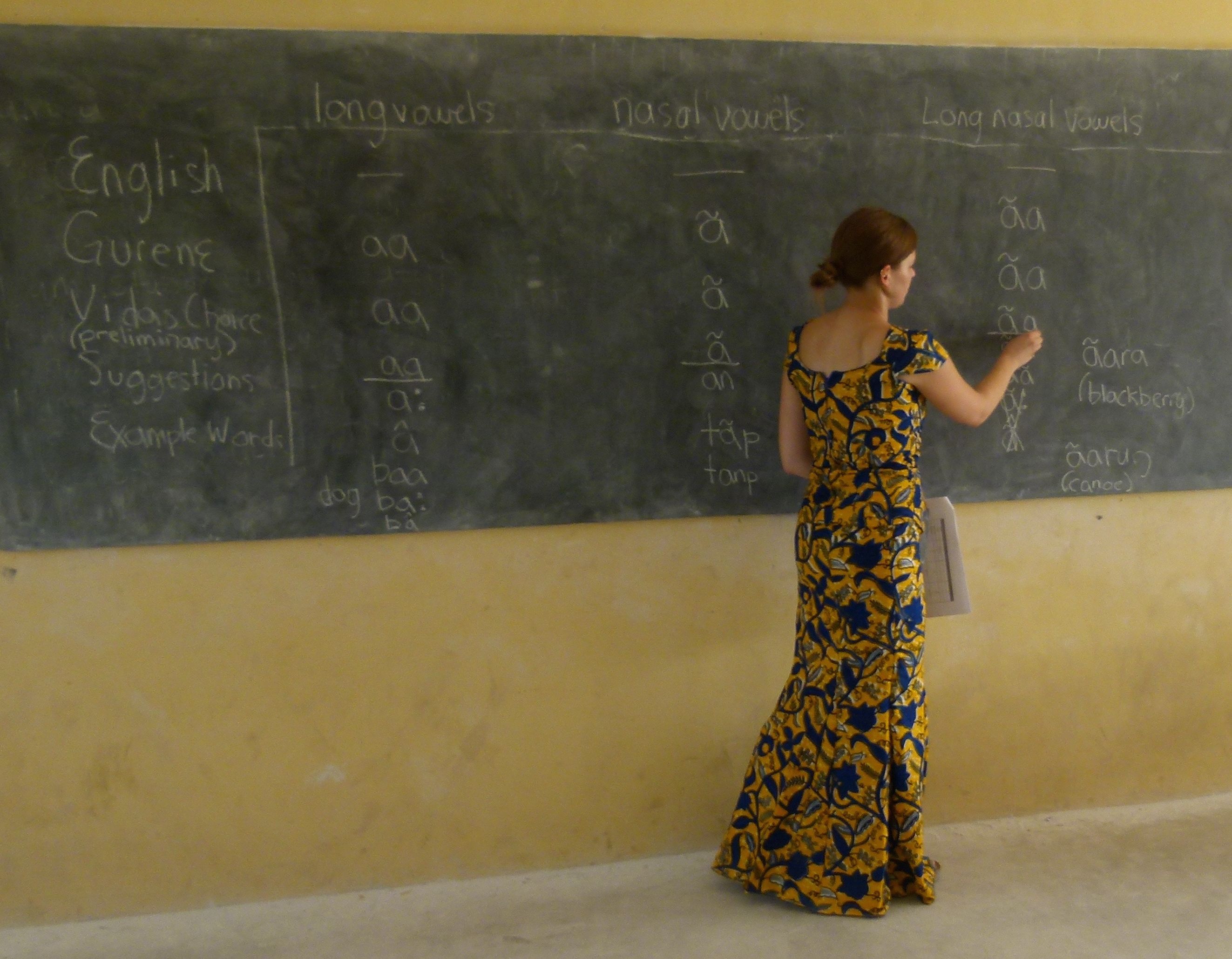
Following my language interviews and extensive phonology review, I hosted an Alphabet Design Workshop to assist the community in developing the orthography. During this workshop I made suggestions to the Nabit Language Committee about how each sound could be represented and the committee came to consensus to decide on each symbol that would be included in the orthography.
At the end of the workshop the committee members were able to practice writing in the new Nabit alphabet by translating words needed for some Nabit storybooks that were being produced. Now, one year after the alphabet workshop and the first storybooks were published, we are working on revisions to the storybooks to correct errors and change spellings, translating the storybooks to be fully in Nabit, and working on the first draft of a Nabit Alphabet Book that can be used in schools and adult education programs to teach Nabit speakers how to use the orthography.
Title: Kinyindu Endangered Languages’s Proverbs Translation for the Nyindu Indigenous Young Generation
Country: Congo
Language(s): Kinyindu
Grantee: Bamwiji Musombwa
Year: 2014
Project summary
The overall objective of this project was to promote our Nyindu indigenous people’s ancestors’ wisdom contained in proverbs, by providing translations in Kiswahili and in French of the recently documented proverbs. Kinyindu is the endangered language of the Batwa originated Nyindu indigenous people living in the Lwindi rural district; in the Mwenga territory in South Kivu, an eastern Province of the D.R. Congo / Central Africa.
Thanks to the grant received from the FEL, our team has worked on promoting our Nyindu indigenous people ancestors’ wisdom and the traditional knowledge contained in our proverbs by translating these proverbs first in Kiswahili and then in French. In order to do so, I first gathered with remnant literate Nyindu indigenous and Kinyindu speakers, to discus the procedure to be followed in working on the translations. Given that some of these remnant Nyindu speakers do not speak or understand French, we worked first on the Kiswahili translation. I then have worked on the French translation from both the solely Kinyindu version of the proverbs (which had been produced before the current project started), and by referring to the bilingual Kinyindu-Kiswahili version mentioned before.
At the end of October 2014, the electronic versions were available, and after some revision and editing, the printed versions of the bilingual Banyindu indigenous Proverbs book in Kinyindu - Kiswahili, and the bilingual Banyindu indigenous Proverbs book in Kinyindu - French were published. Finally, the issued books were introduced to our community members and copies were also distributed to 8 schools functioning in our Lwindi territory.


Title: Development of a Trilingual Suba-Luo-English Online Dictionary
Country: Kenya
Language(s): Suba
Grantee: Carolyne Adhiambo Ngara
Year: 2014
Project summary
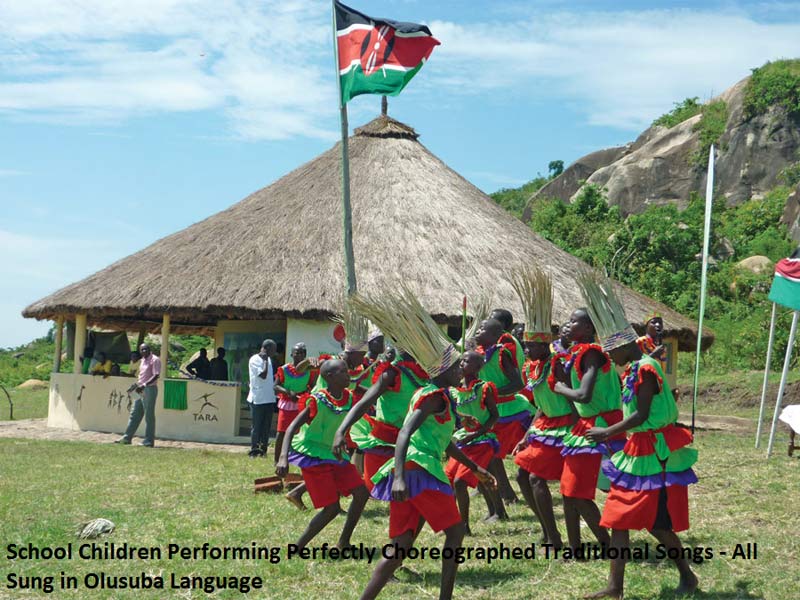
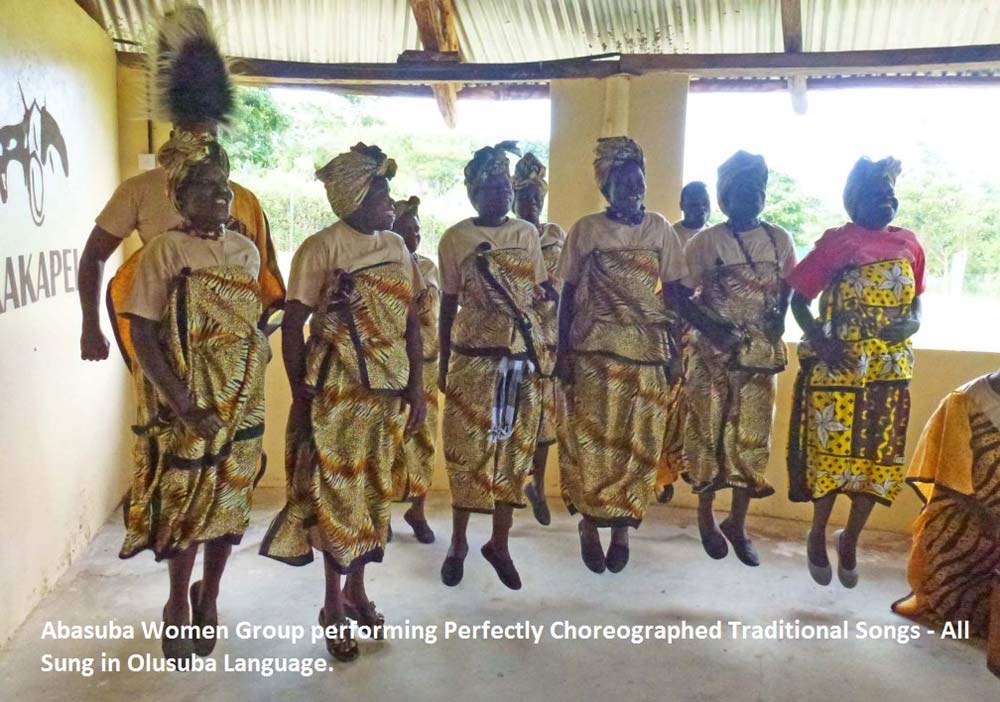
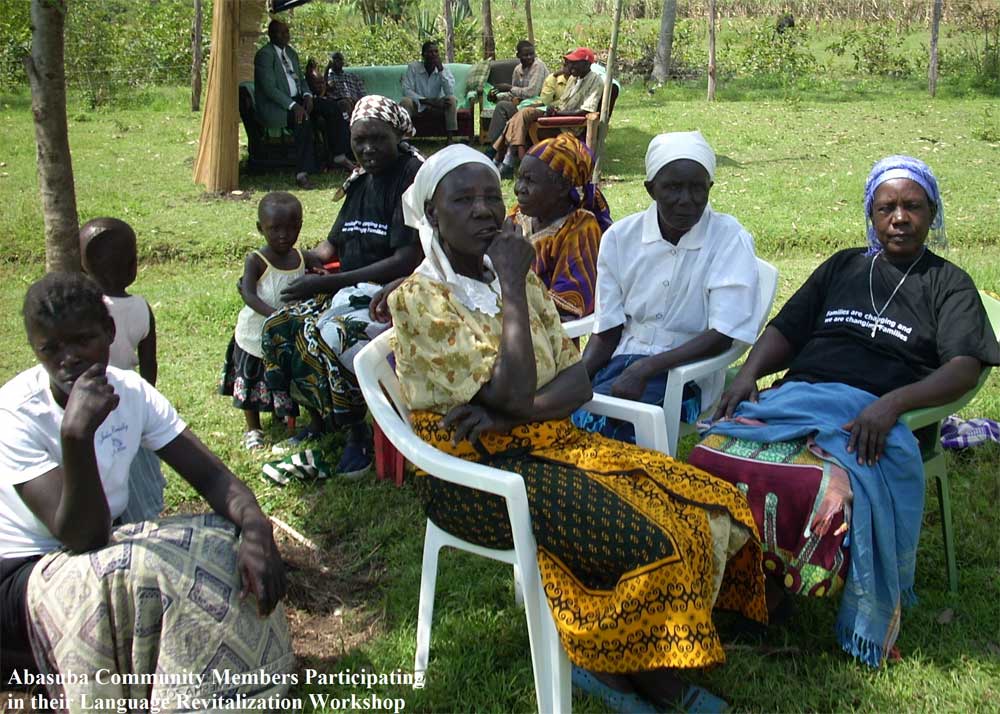
The purpose of this project was to increase the overall awareness of the critical challenges, pressures and threats that the Abasuba indigenous community of Kenya is facing, by providing a culturally-sensitive voice, and by offering support through Olusuba language and cultural documentation. It aimed to collect any useful information that could be used in the development of a Trilingual Olusuba-Dholuo-English Online Dictionary and make the resource data available for the public. In so doing, the project contributed to saving the Olusuba language from total distinction and raised awareness of Olusuba as an endangered language by creating a one-stop-shop-access and reference point for the general public, anthropologists, linguists, professors, students in Kenyan universities and researchers beyond borders.
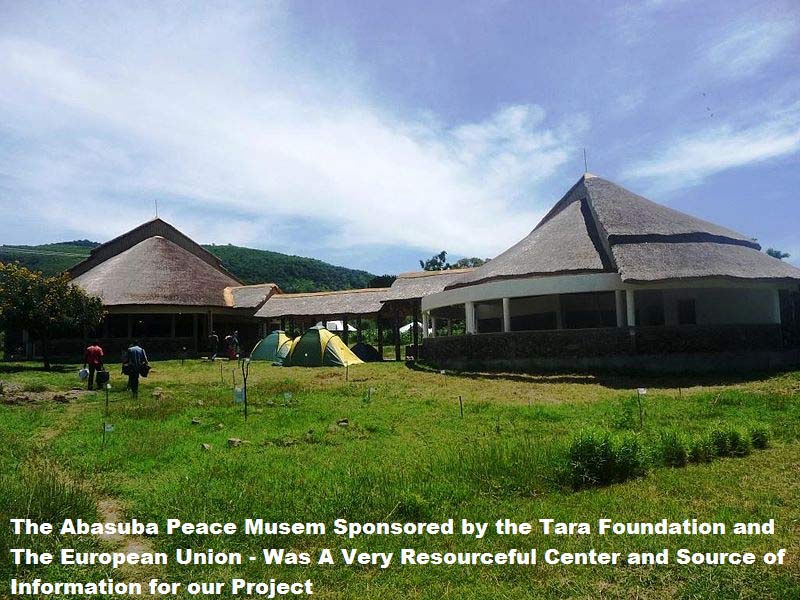
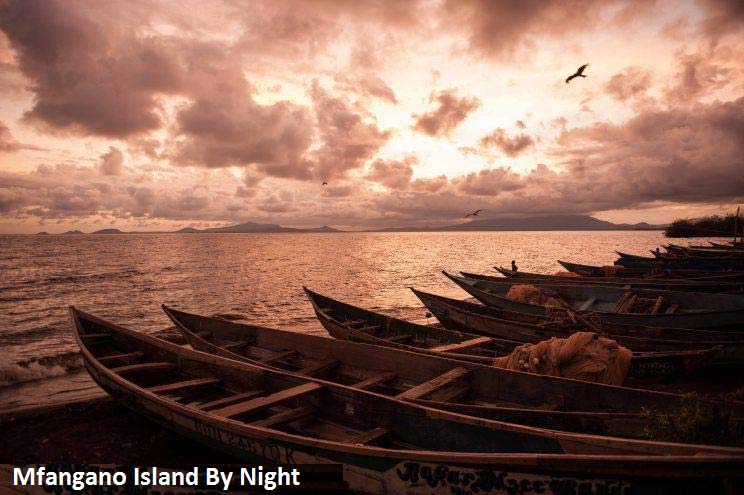
The project led to new collaborations with the Abasuba Community Peace Museum on Mfangano Island. It was agreed upon that the principal investigator and the Museum will continue working together in preserving the Olusuba language and culture through projects of common interest. In addition, the Ekialo Kiona Suba Youth Community Radio (Mfangano Island) will continue hosting agricultural know-how programmes and children’s programmes meant to enhance the usage of the Olusuba Language. Finally, the KWS - Kenya Wildlife Services that is in charge of Ruma National Park and Game Reserve agreed to continue helping with information such as the naming and translation of the flora and fauna found within and around the national park.
Title: A Practical Orthography for the Development of the Phuthi Language
Country: South Africa
Language(s): Phuthi
Grantee: Sheena Shah
Year: 2015
Project summary
The goal of this project was to provide assistance in the development of a practical community orthography for Sephuthi and thereby enable Sephuthi speakers to become literate in their language as well as support their language revitalisation efforts.
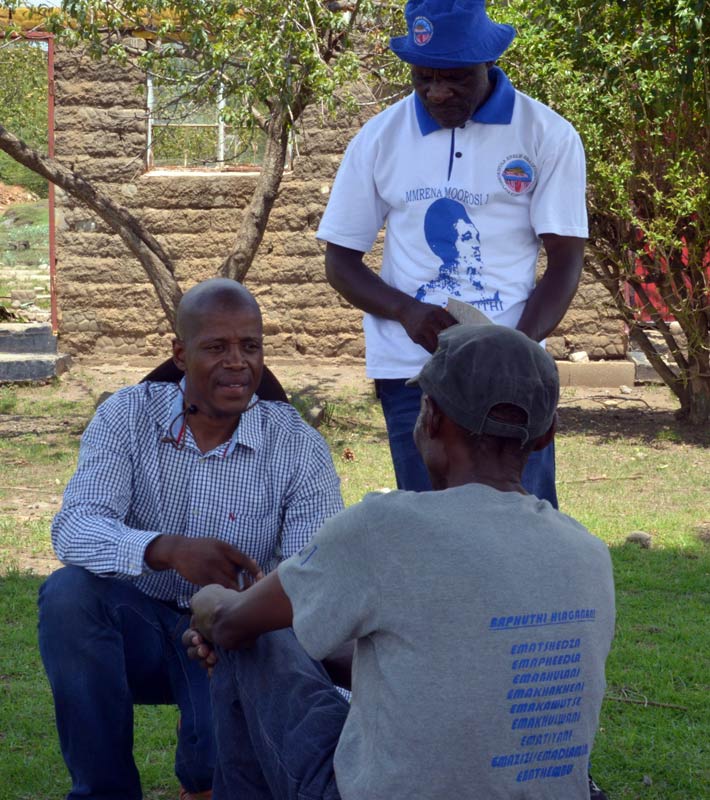
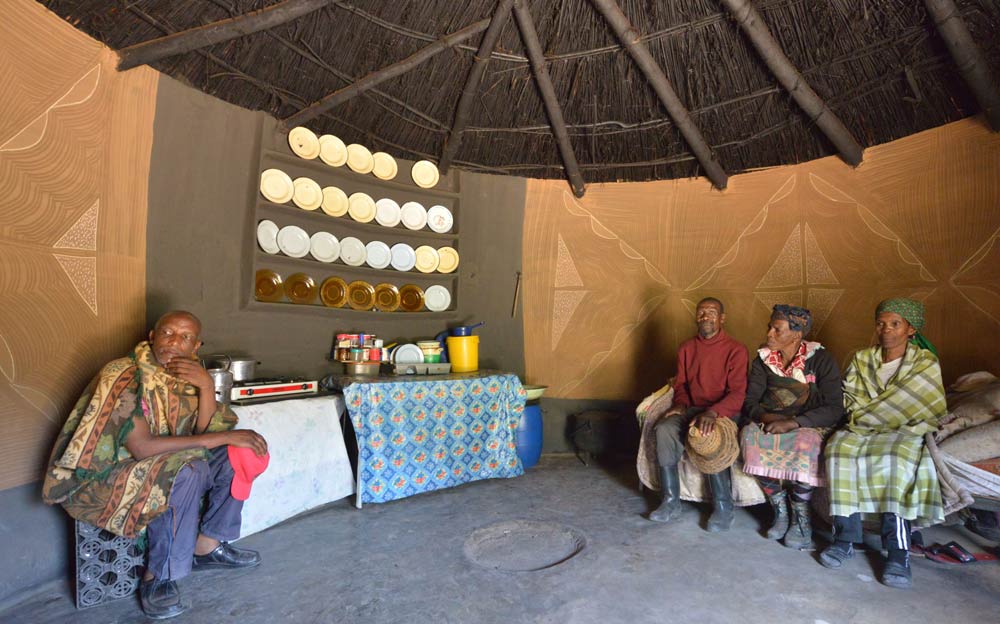
At present, as far as we know, only two community members are actively writing in Sephuthi, namely Letzadzo Kometsi, a lawyer at the National University of Lesotho in Roma, and Lebuajoang Ramokhele, a police officer stationed in the Berea district. Both are important Sephuthi activists: Letzadzo is the President and Lebuajoang is the Secretary of ibadlha le baSephuthi, a group formed to address and promote the use, development and revitalisation of Sephuthi. As autodidact linguists, they choose different approaches in the writing of their mother tongue. During our fieldtrip to Lesotho in February 2016, at the community’s request, Matthias Brenzinger (Director of CALDi) and I provided input on the negotiation of a standard Sephuthi orthography. The Sephuthi alphabet chart that will represent the distinct speech sounds of the language has not yet been finalized. Together with Letzadzo and Lebuajoang, example words for each Sephuthi phoneme have been selected and translated into Sesotho, isiXhosa and English. The next stage will be to illustrate each example word with photos. The launching of the alphabet chart in Lesotho is planned for next year.
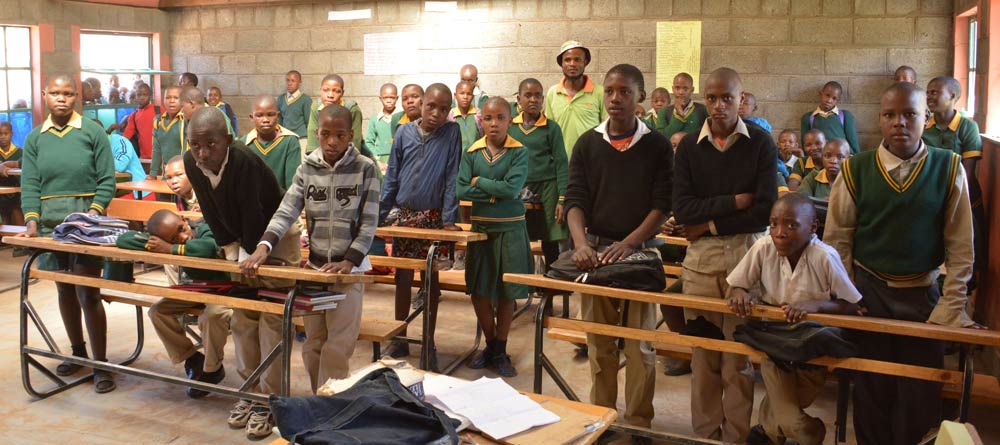
In the Sephuthi-speaking areas of Lesotho, we discussed the adjustment of the curriculum (teaching content) to local needs and the elaboration of adequate teaching methods (co-teaching, multilingual classrooms) with teachers to ensure that Sephuthi students no longer continue to be disadvantaged in the national education system. Sephuthi students are challenged as the media of instruction are Sesotho and English, languages these students do not or hardly understand and speak. Teachers generally do not speak Sephuthi, which leads to major difficulties in communication in classrooms with Sephuthi students.
“Mother-tongue based multilingual education” is the promising approach proposed in this project. It allows the Sephuthi students to acquire Sesotho and English through their mother tongue. In that, the project supports the language revitalisation activities of community members, but also supports the empowerment of the Sephuthi speakers, enabling them to play active roles in the district and national state.
Title: Resuscitating Kiong language
Country: Nigeria
Language(s): Kiong
Grantee: Margaret M. Okon
Year: 2004
Project summary
The project aims at a descriptive analysis of the phonological features of Kiong with a view to providing a standard orthography that would pave the way for the production of primers and other literacy materials. This will contribute towards the safeguarding and promotion of the linguistic heritage of the world. The search for natives of Okoyong who speak Kiong was like a wild goose chase. From personal communication, it was gathered that the well-known Scottish missionary, Mary Mitchel Slessor, who lived and worked in Okoyong from 1888 used the Efik language throughout her stay in Okoyong, an indication that the language had ceased to be in use since the 19th century.
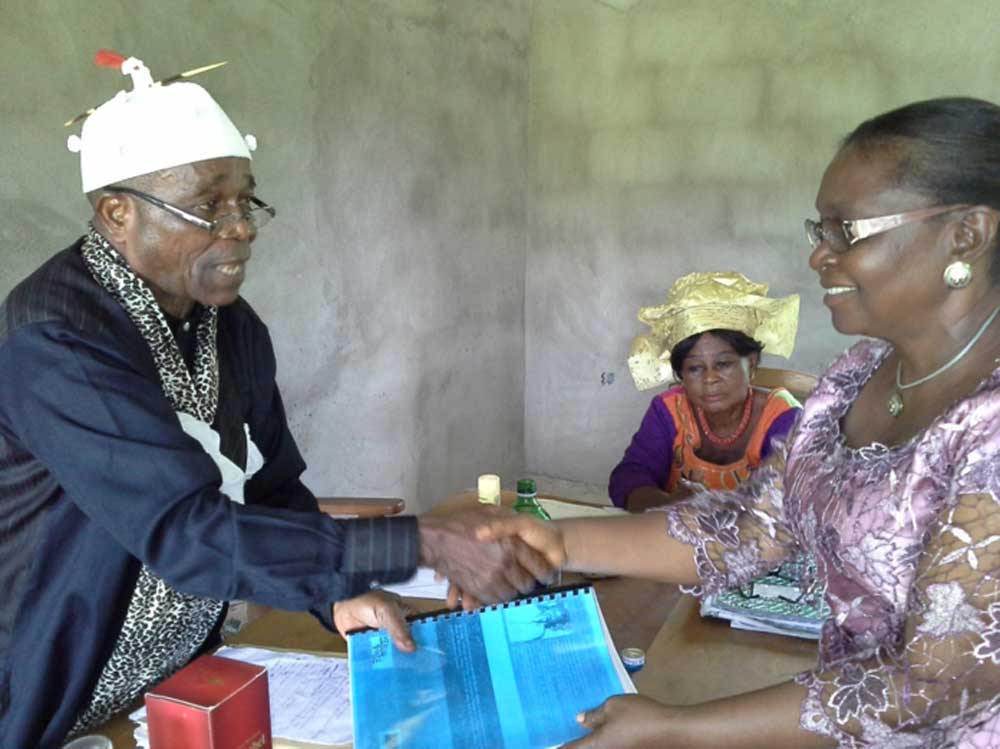
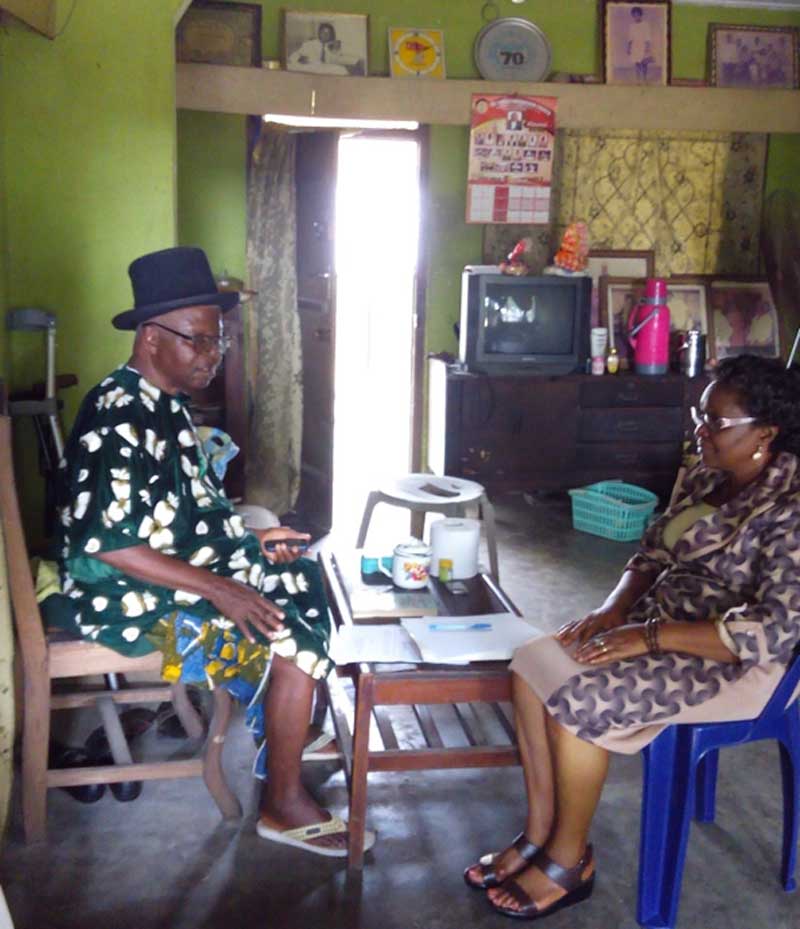
Eventually, we found Obonn Eyo Otu Ekpenyong, a retired civil servant, who is very passionate about the Kiong language. He became our principal informant. The pictured article is the fruit of several sessions that my colleague and I had with him, Mr. Nsa Ita Okon and Miss Atana Okon. A variety of the language is also alive in Cameroon and Akamkpa in Nigeria, where it is known as Durop, Korop or Ododop.
Now in 2016, we are currently reviving the project with town hall meetings with traditional rulers and stakeholders from the several clans in Okoyong.
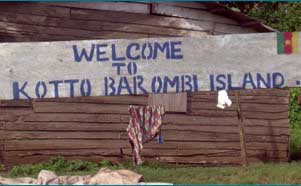
Title: A Reference Grammar of Barombi
Country: Cameroun
Language(s): Barombi/Lombe
Grantee: Gratien G. Atindogbe
Year: 2005
Project summary
The overall aim of this project was twofold: 1) provide a documentation of the Barombi language for archiving; 2) provide the Barombi speakers and other interested persons with a grammatical book which will be easy to read and to understand. The book, titled A Reference Grammar of Barombi is of descriptive nature and rigorously data-oriented.
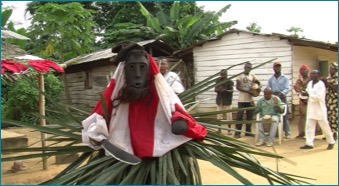
The research consisted of the analysis of data collected in the villages where Barombi is spoken. The collection was done through tape recordings of word lists, short sentences, riddles uttered by native speakers, as well as through the video recording of a "variety of spoken and written language samples collected within their appropriate social and cultural context" (Himmelmann 1998, Woodbury 2003). Narrative texts, songs and interviews were also used.
Among the outcomes are A Reference Grammar of Barombi (ongoing), a short volume on the history of the Barombi Kotto people (under review), and a trilingual and multientry dictionary of Barombi-English-French, English-Barombi and French-Barombi (ongoing).
Title: Using Media to Document Waata Language and Cultural Practises
Country: Kenya
Language(s): Waata
Grantee: Larry Ndivo
Year: 2015
Project summary
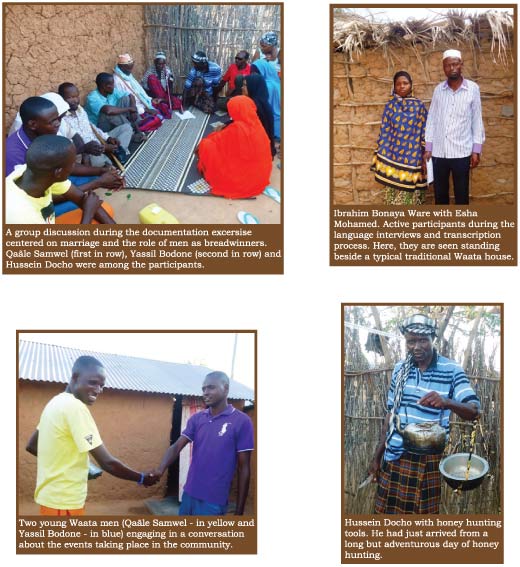
The project aimed to develop materials for the revitalization and preservation efforts of the Waata language. The language is spoken by nearly 13,000 indigenous people living in territorial groups on the coast of Kenya. Although it is actively used in everyday conversations, there are concerns by community members that it is not being transmitted to the younger members who are increasingly turning to the neighbouring Pokomo and Kamba. Also, the movement and dispersed settlement of the Waata community has led to a gradual diminishing of the indigenous speakers of the language.
The research process involved five elders of the Waata community who worked as language consultants and four younger members aged between 18-35 who assisted the researcher in making transcriptions and translations. A couple of interviews especially of the Waata King and some elders were conducted to establish the origins, cultural, social, political and economic activities of the Waata. Part of these interviews and a video of some dances constitute the documentation material for the project. In addition, the project resulted in an audio record and a published word list of more than 1000 items with examples of phrases and simple Waata sentences. This publication is designed to provide phonological, semantic and syntactic information on everyday usage of Waata language. The project also produced a sample oral narrative both in the Waata language and an English translated version. A short documentary of the sessions between the researcher and the Waata community members is available.
See online:
 FEL on Facebook