
FEL Grants: Supported projects
FEL regularly provides small grants to fund projects that revitalize and support the use of endangered languages. On this page you can see reports from a selection of the projects that we have supported. By joining FEL, you can support activities such as these.
Select a grantee, language, region, or year:
Grantee:
Language:
Region:
Year:
Grants from year: 2015
Title: Using language games to document Possession in Miriwoong
Country: Australia
Language(s): Miriwoong
Grantee: Christina Murmann
Year: 2015
Project summary
The aim of the project is to spur the documentation of the highly endangered Miriwoong language, which is spoken fluently by no more than 20 elderly speakers in Western Australia. In particular, the project will describe the linguistic structures involved in expressing possession. During a field trip in 2014, data was gathered with the help of tasks and language games which encouraged speakers to produce sentences containing possessive constructions such as I have a big yellow bag, The didgeridoo belongs to the old man or The fish has many scales. The second fieldtrip in 2015 was dedicated to clarify questions arising during transcription and analysis of this data and carrying out revised versions of the games with additional speakers to test hypotheses and allow for possible variation in the language.
The data was mainly gathered during two fieldtrips since especially senior speakers feel much more confident on their traditional country than in an office environment. Younger speakers benefitted from language session with senior speakers as well as two training workshops on transcription and media equipment. Transcription skills were enhanced and the way was paved for engrossed independence.
Some possessive structures in Miriwoong were potentially influenced by Aboriginal English or Kimberley Kriol, the mother tongue of most younger Miriwoong people. Therefore, during this trip presumably relevant sentence where elicited in Kriol.


Title: Documentation of endangered genres of the Kĩsêdjê oral literature
Country: Brazil
Language(s): Kĩsêdjê
Grantee: Rafael Bezerra Nonato
Year: 2015
Project summary
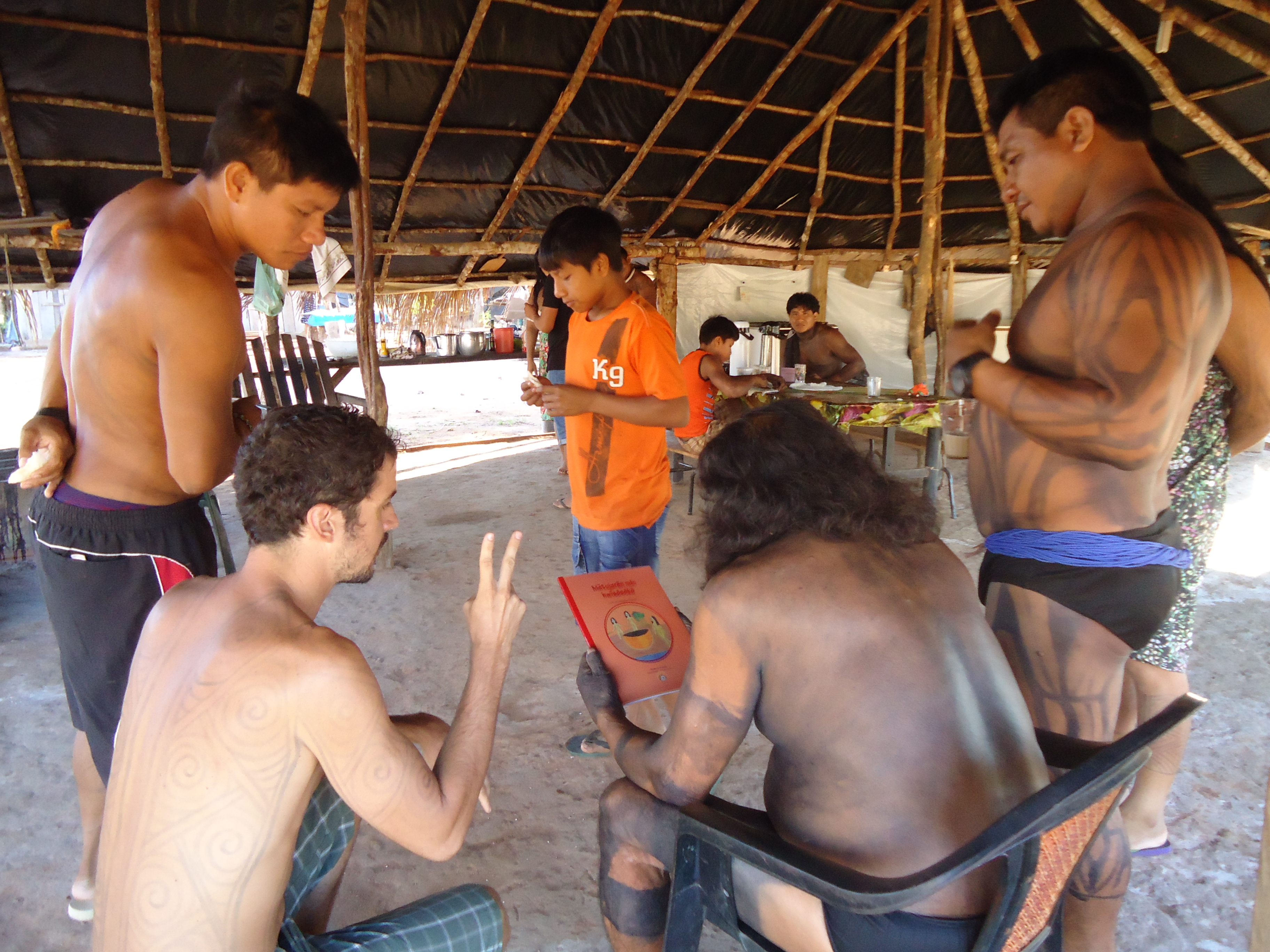
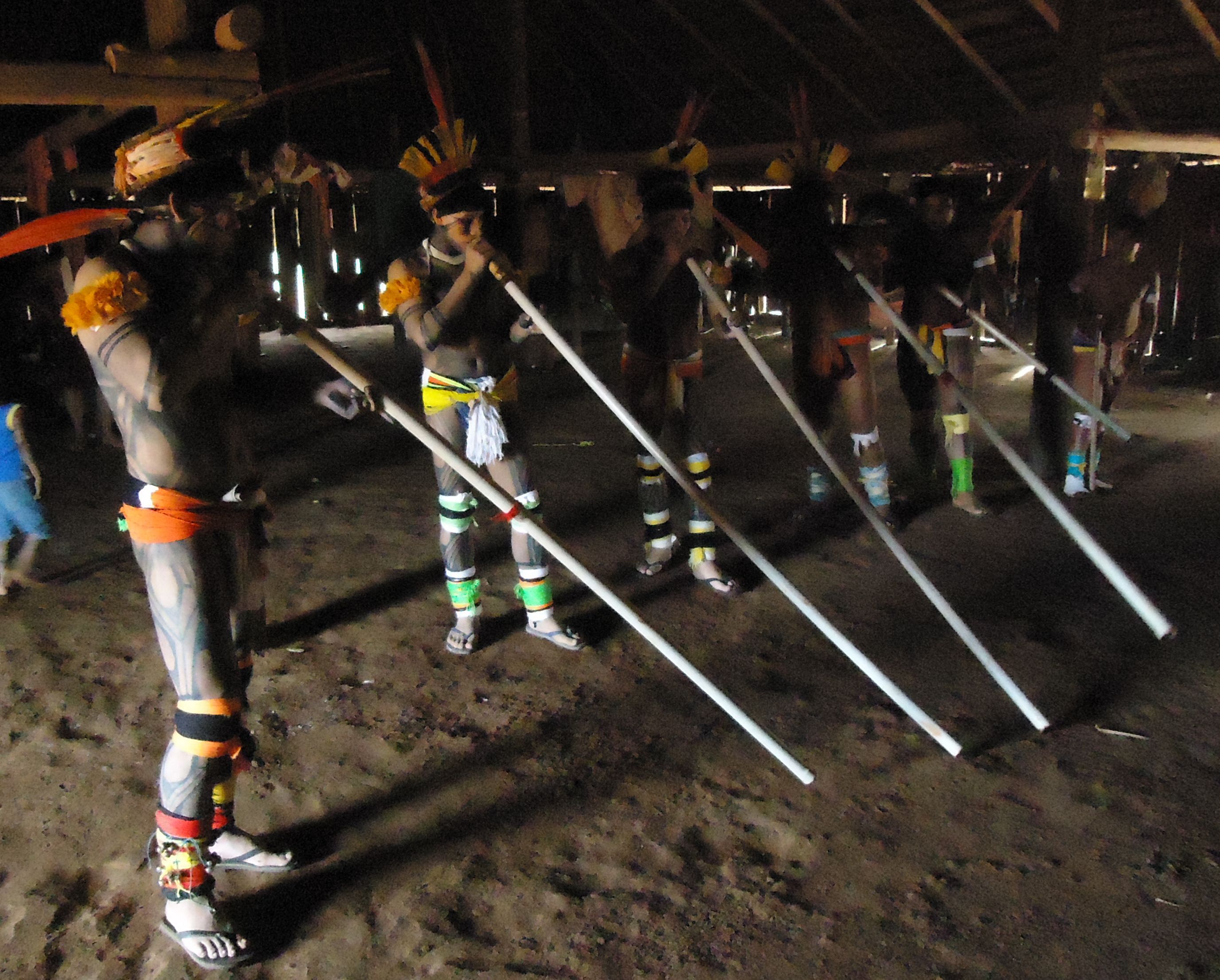
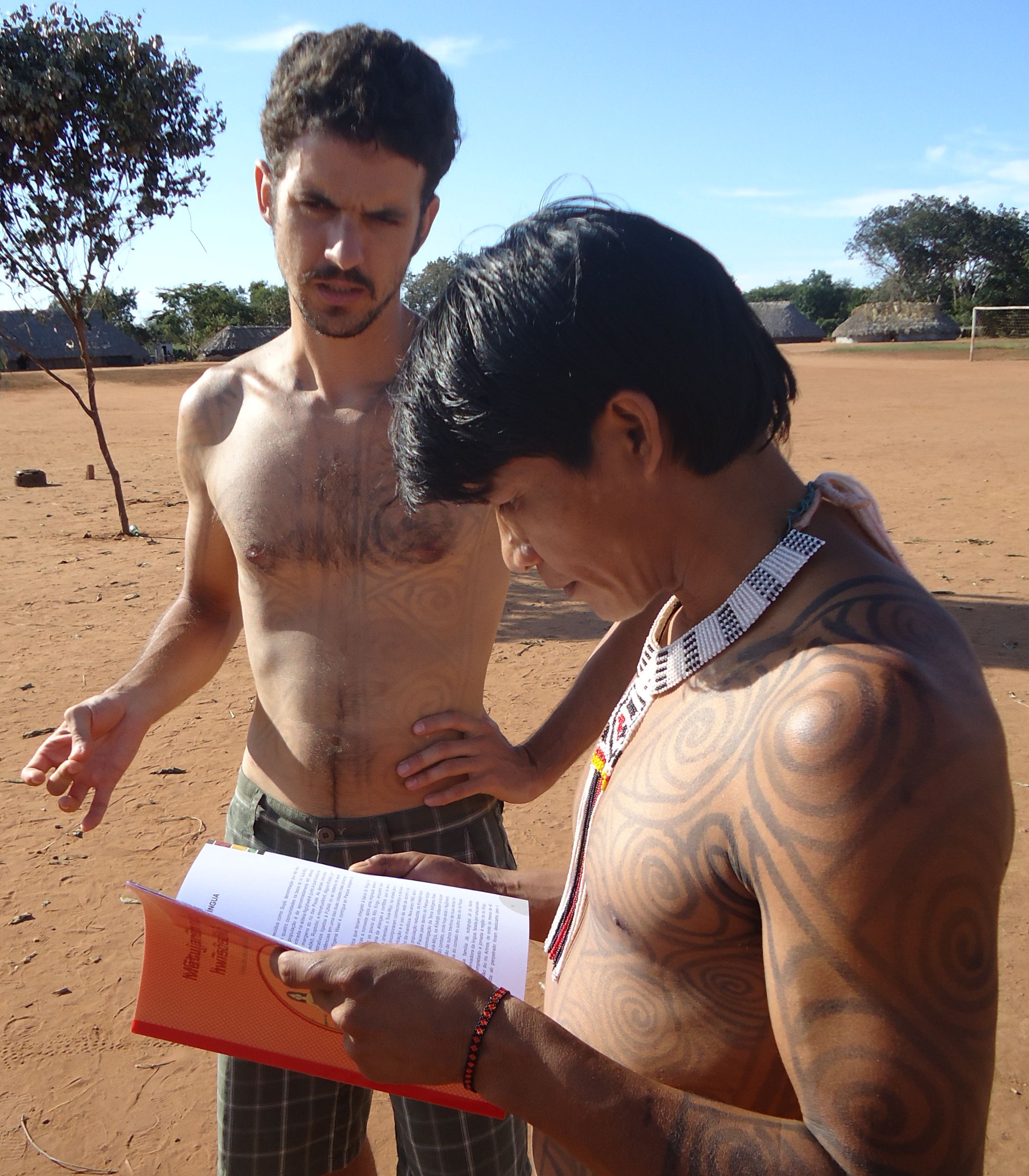
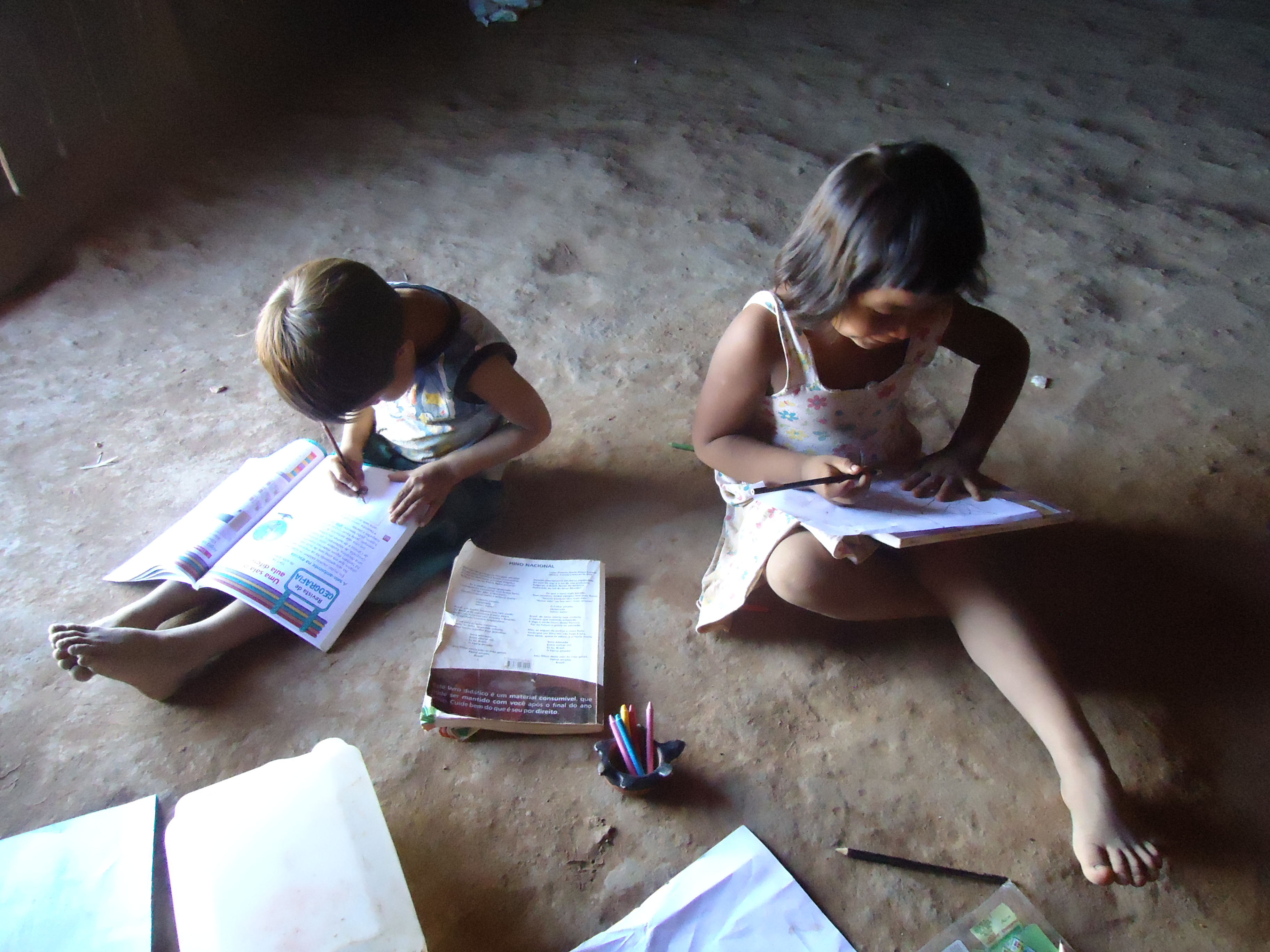
This project continues and builds upon previous work begun in 2008 to document the Kĩsêdjê language as well as its oral genres. Kĩsêdjê has roughly 350 speakers who live in 5 villages along the tributaries of the Suyá river, in the State of Mato Grosso, Brazil. Our team, made up of two Kĩsêdjê speakers and a linguist, have so far produced a grammar sketch, an annotated speech corpus (narratives, interviews, songs and elicited sentences) and a short dictionary. Those products will be expanded and adapted into material for use by the Kĩsêdjê community. The funds were used to finance the next field trip of the project. The main goal of this field trip is to provide training for two native speakers, Mbrynti Suyá and Lewaykĩ Suyá, who are substituting the native researchers that used to work in the project before. They are trained in transcription and translation techniques, in order to work towards the annotation of the recordings made in previous field trips.
Title: Documentation of Manchu language at Sanjiazi village
Country: China
Language(s): Manchu
Grantee: Gang Li
Year: 2015
Project summary
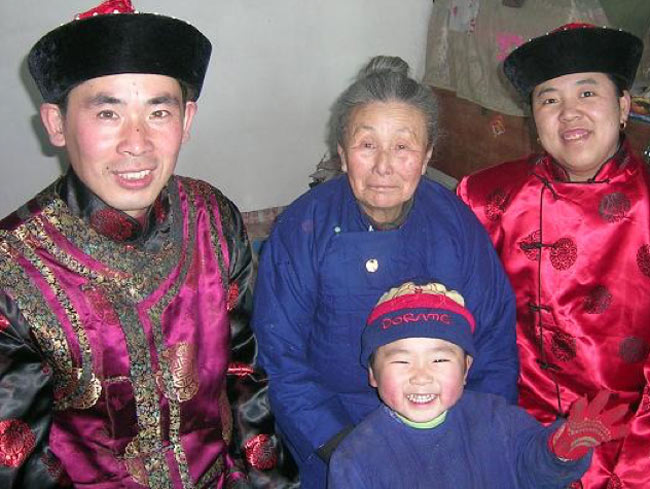
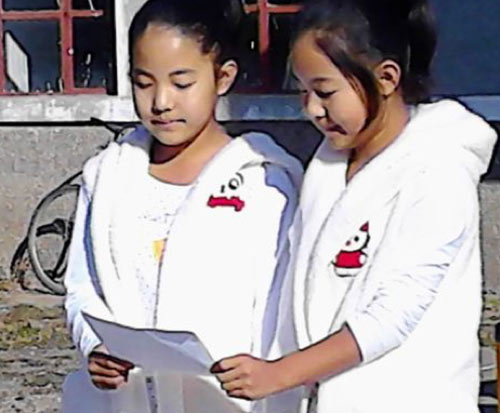
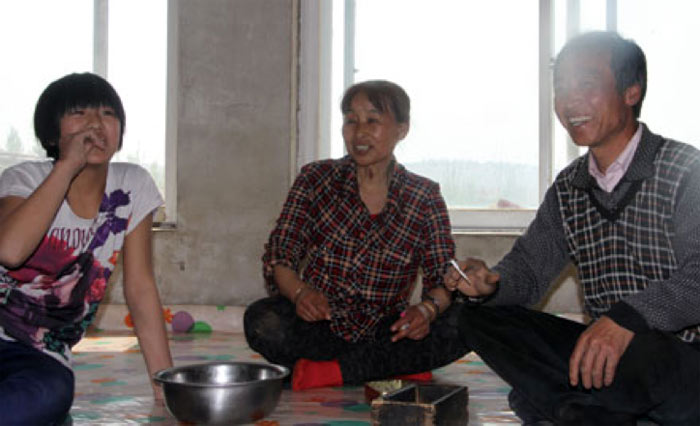
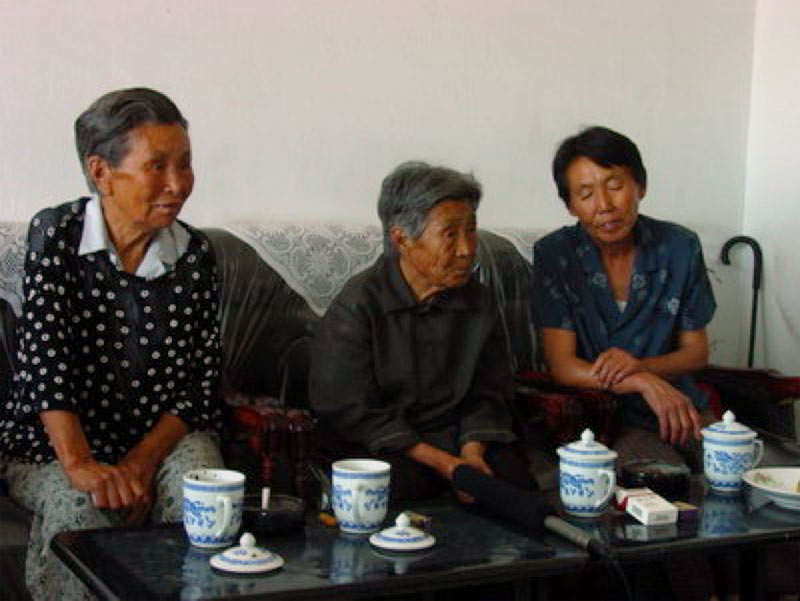
Our project aimed at documenting the Manchu language spoken in Sanjiazi village in Youyi Daur, Manchu, and Kirghiz Ethnic Township (Fuyu County, Heilongjiang province, China). During the investigation we mainly used the method of Linguistic Fieldwork and comparative philology. One of the purposes of the project was to raise the speakers’ awareness of endangerment of the language, attract the government’s attention to preservation and revitalization of the language, and motivate the local school teachers’ initiative (especially that of the Manchu language speaking teachers) to introduce the basic knowledge of the language to the students.
Through this investigation, we found that most Manchu children have lost the ability to speak their mother tongue and just speak Chinese Mandarin. Only a few old persons and some academics working on the Manchu language could speak and write it. In view of this phenomenon, we compiled a documentation book including Manchu vocabulary, grammar, syntax, and phonetic contents which would help to revitalize the Manchu language.
The compiled Manchu language documentation achievements have been used by the local middle school and some universities in northern areas, which will promote the development of Manchu languages, and it will also be very useful for the academia on the Manchu language. Besides, we are going to compile a brochure on Manchu proverbs and Manchu folk tales to increase the interest and readability to public.
Title: A Practical Orthography for the Development of the Phuthi Language
Country: South Africa
Language(s): Phuthi
Grantee: Sheena Shah
Year: 2015
Project summary
The goal of this project was to provide assistance in the development of a practical community orthography for Sephuthi and thereby enable Sephuthi speakers to become literate in their language as well as support their language revitalisation efforts.
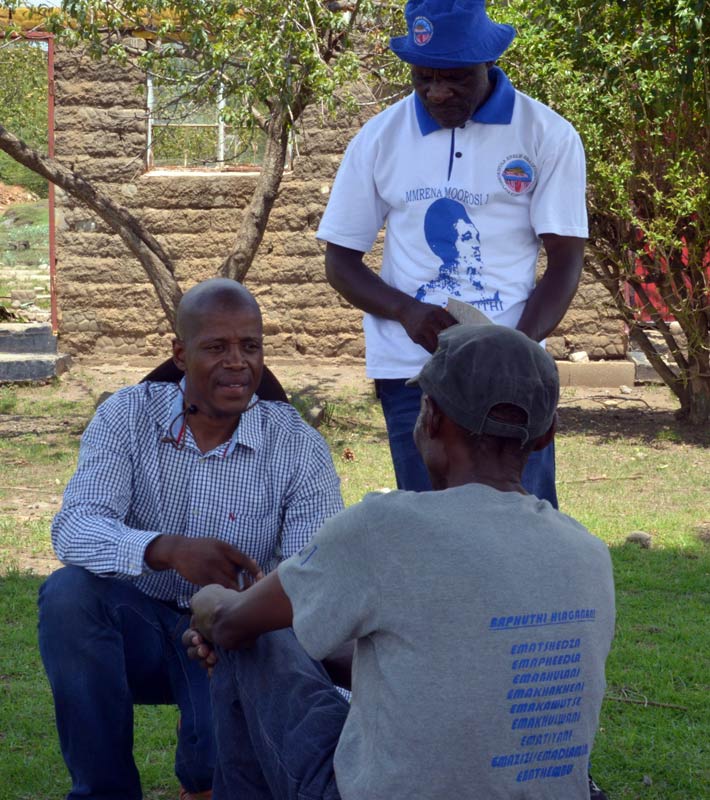
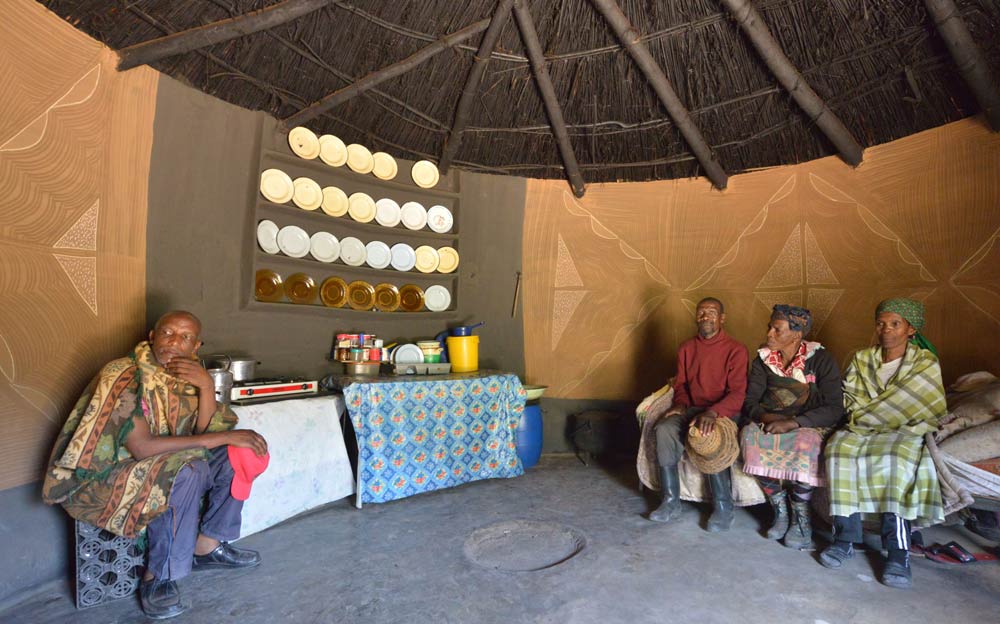
At present, as far as we know, only two community members are actively writing in Sephuthi, namely Letzadzo Kometsi, a lawyer at the National University of Lesotho in Roma, and Lebuajoang Ramokhele, a police officer stationed in the Berea district. Both are important Sephuthi activists: Letzadzo is the President and Lebuajoang is the Secretary of ibadlha le baSephuthi, a group formed to address and promote the use, development and revitalisation of Sephuthi. As autodidact linguists, they choose different approaches in the writing of their mother tongue. During our fieldtrip to Lesotho in February 2016, at the community’s request, Matthias Brenzinger (Director of CALDi) and I provided input on the negotiation of a standard Sephuthi orthography. The Sephuthi alphabet chart that will represent the distinct speech sounds of the language has not yet been finalized. Together with Letzadzo and Lebuajoang, example words for each Sephuthi phoneme have been selected and translated into Sesotho, isiXhosa and English. The next stage will be to illustrate each example word with photos. The launching of the alphabet chart in Lesotho is planned for next year.
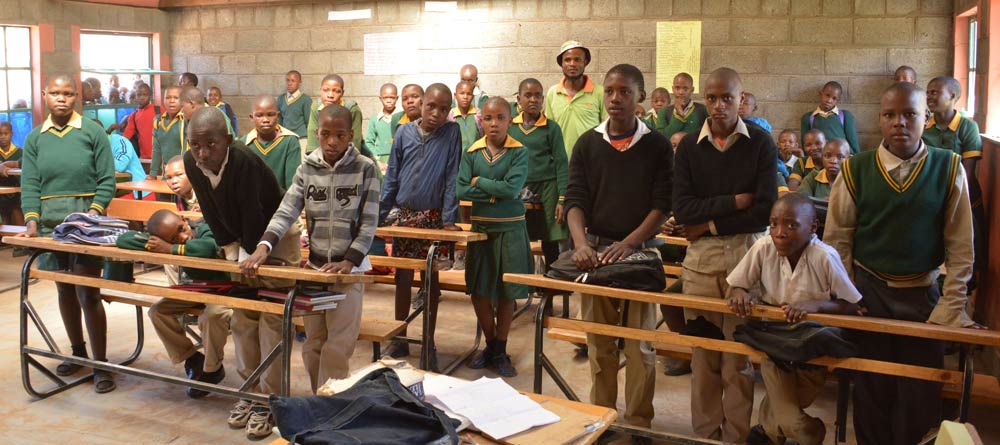
In the Sephuthi-speaking areas of Lesotho, we discussed the adjustment of the curriculum (teaching content) to local needs and the elaboration of adequate teaching methods (co-teaching, multilingual classrooms) with teachers to ensure that Sephuthi students no longer continue to be disadvantaged in the national education system. Sephuthi students are challenged as the media of instruction are Sesotho and English, languages these students do not or hardly understand and speak. Teachers generally do not speak Sephuthi, which leads to major difficulties in communication in classrooms with Sephuthi students.
“Mother-tongue based multilingual education” is the promising approach proposed in this project. It allows the Sephuthi students to acquire Sesotho and English through their mother tongue. In that, the project supports the language revitalisation activities of community members, but also supports the empowerment of the Sephuthi speakers, enabling them to play active roles in the district and national state.
Title: Documenting Fala - a minority language in Spanish Extremadura
Country: Spain
Language(s): Fala
Grantee: Vera Ferreira
Year: 2015
Project summary
This project aimed at documenting Fala, a small language spoken in Valverde del Fresno, Eljas and San Martín de Trevejo, three small villages in the northwestern part of Extremadura (Spain). In each village the language has its own name, namely Valverdeiru, Lagarteiru and Mañegu respectively. The differences in naming reflect not only the group identity of its speakers but also the differences that exist between the variety of Fala spoken in each village. Thus, Fala is a general and unifying name for the three varieties that belong to the same language. Fala is spoken by approximately 4500 speakers of all ages.
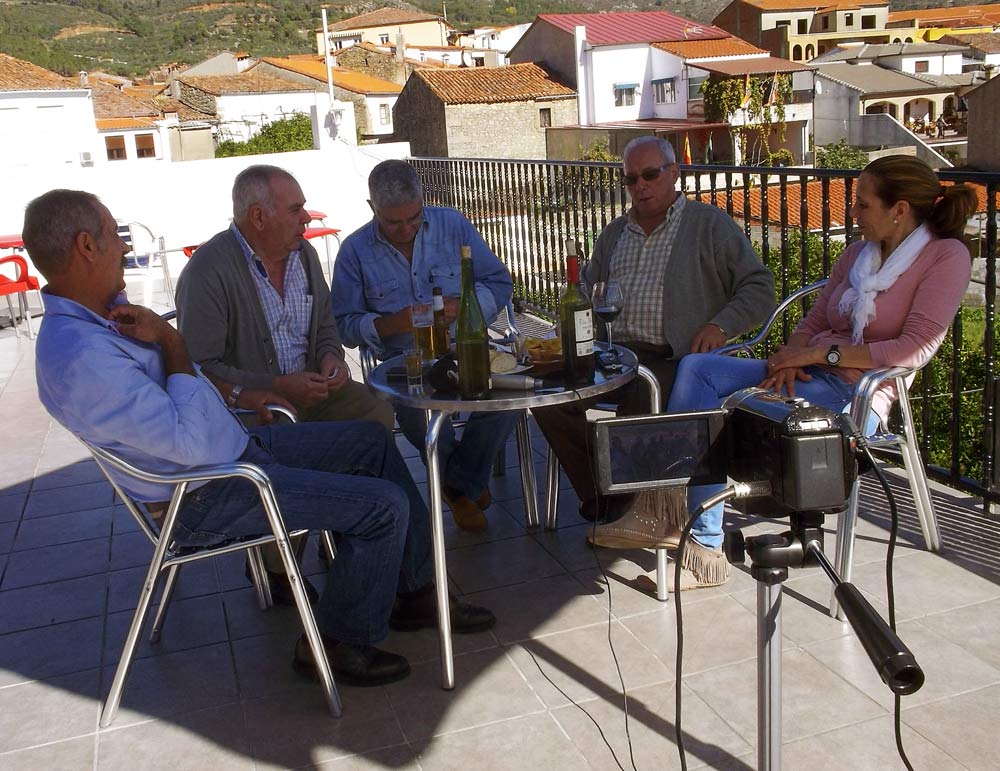
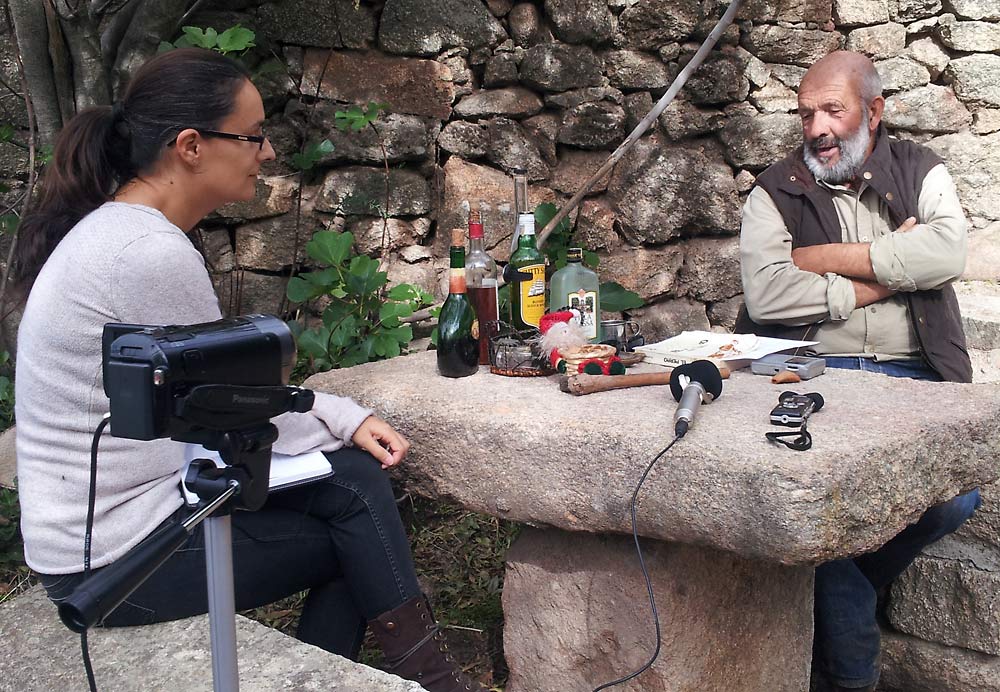
Data collected in October 2015 comprises more than 600 photos and a total of 26 hours of audio (14 hours) and video (12 hours) recordings of local practices, with focus on endangered traditional work methods (agriculture, animal husbandry and household) and everyday language, and with special attention to generational differences and life experiences in a border region (Portugal-Spain). The recordings comprise mainly staged and observed communicative events.
Most of the recordings are still being transcribed and translated into Spanish (and some into Portuguese) by community members. Preliminary wordlists covering the domains of agriculture, fauna and flora, animal husbandry and household were extracted from the primary data collected during fieldwork and are being used as the base for community-driven small multimedia dictionaries with the support of Ferreira and for the creation of a WordByWord version for Fala. The collected data, with the corresponding metadata, is now being archived with ELAR (Endangered Languages Archive).
Links with video examples recorded in each village:
- Marisol Cana and Jose Marquez talking in Mañegu about traditional community activities in San Martín de Trevejo
- Miguel Ramos interviews his grandmother (Patricia Flores Moreno) in Eljas. She is describing in Lagarteiru some of the agricultural tasks she has done during her youth
- Santiago Guerrero, Emilio Donoso, Bernardo Piriz, Luis Sanchez and Purificación Carrasco from Valverde del Fresno talk in Valverdeiru about hunting and life experiences in border region
Title: Wauja Wiktionary and Language Sustainability Project
Country: Brazil
Language(s): Wauja
Grantee: Emilienne M. Ireland
Year: 2015
Project summary
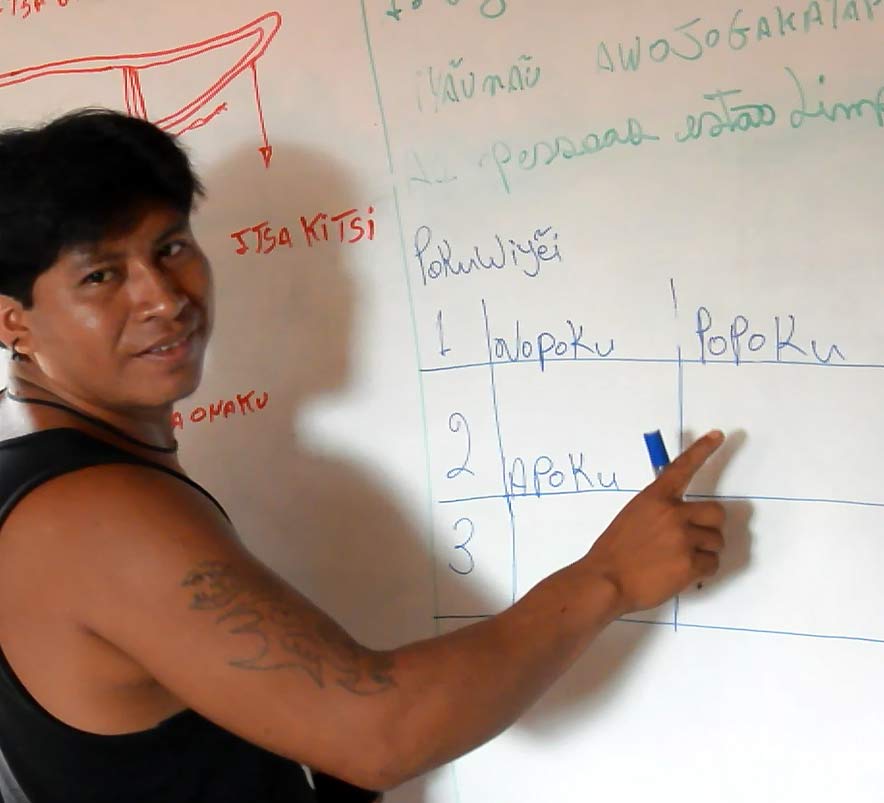
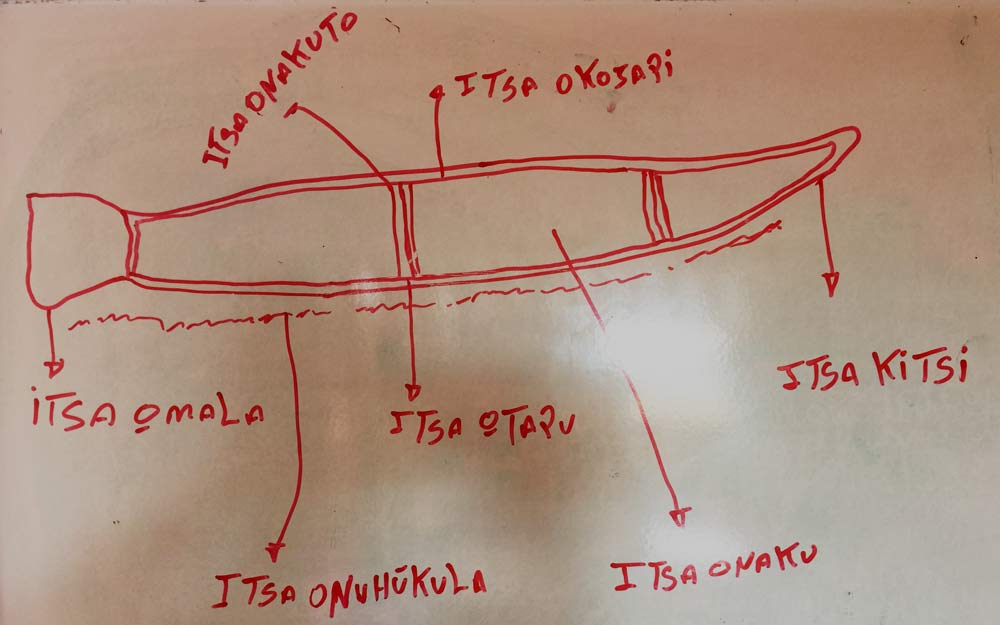
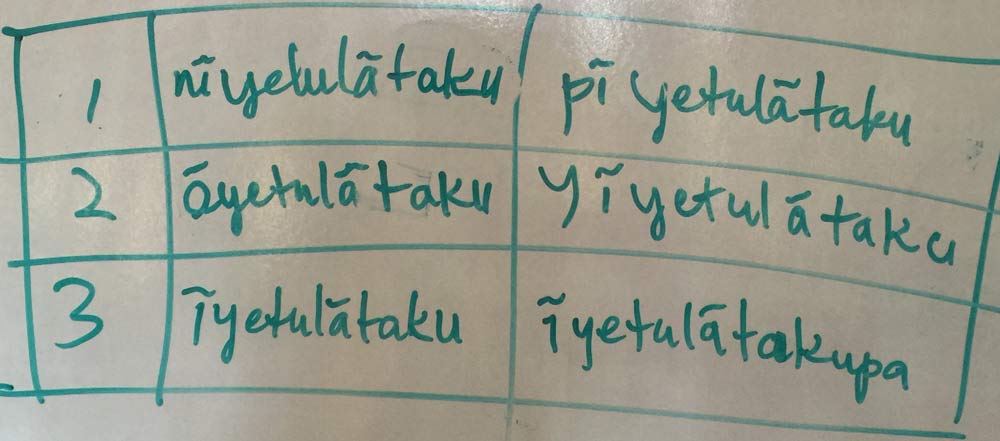
This project aims to engage several Wauja communities in documenting their own language, by training them to use the online Wiktionary platform to build a Wauja-Portuguese dictionary, for use in their schools and the community at large. The Wauja, indigenous Arawak-speakers living in the Amazon rainforest of Central Brazil, spoke almost no Portuguese a generation ago. All children learned Wauja from their elders at home. Today, children attend village schools and are taught a bilingual curriculum. Unfortunately, there is no high school in any of the Wauja villages, and so intellectually curious students must live far from home for several years in border towns, starting as young as age 14, to attend schools in which the only language spoken and taught is Portuguese. This Wiktionary project provides a way for the next generation of Wauja speakers to remain actively engaged in learning their language and culture throughout their formative years, whether they are attending Brazilian high schools away from home, or remaining in the village after finishing their middle school training.
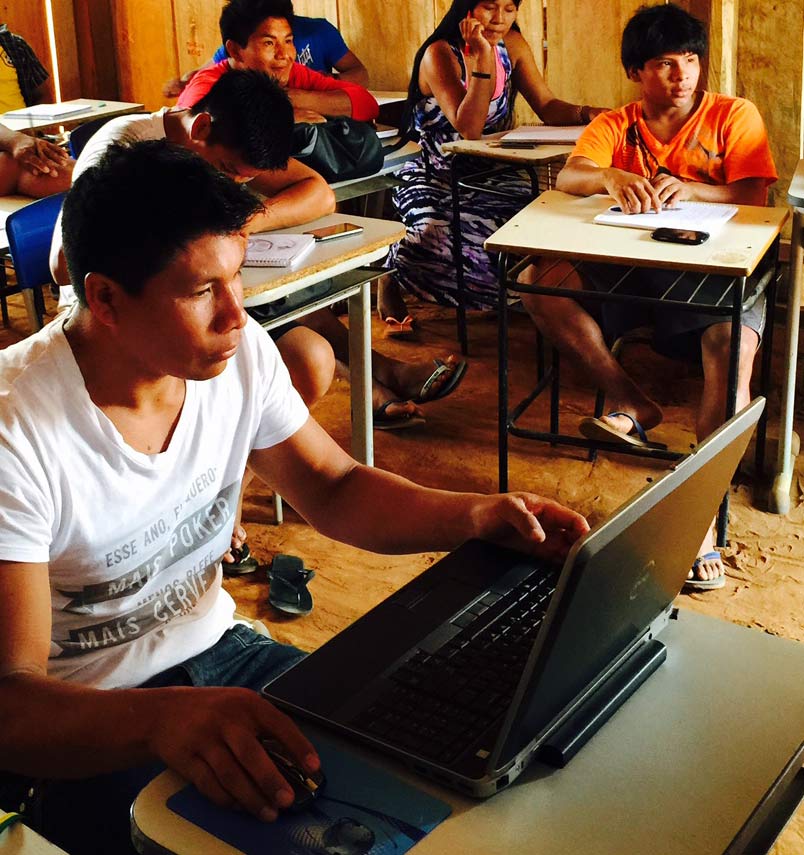
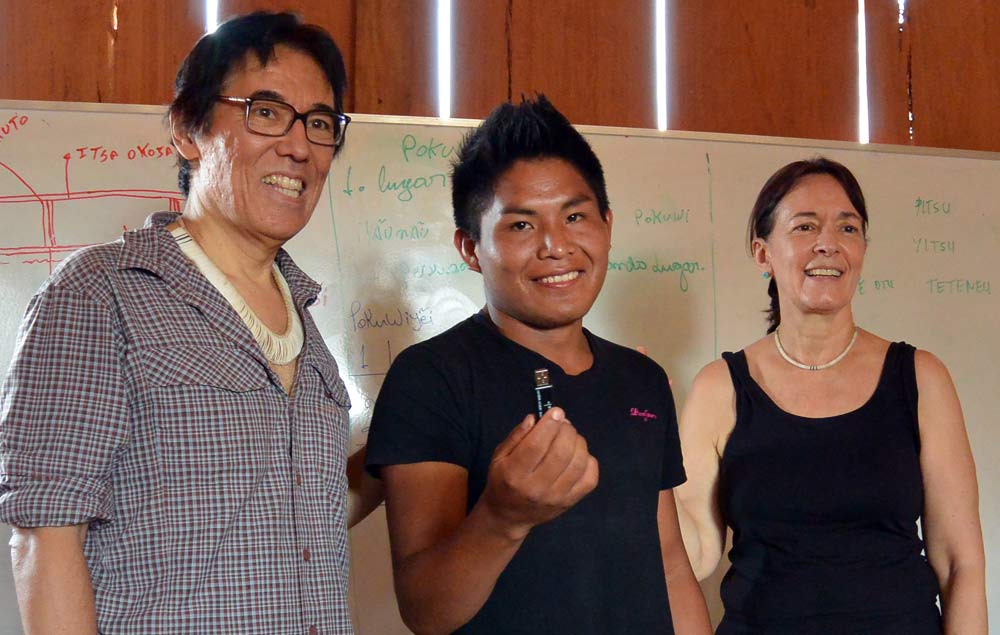
In the initial phase of the project, training workshops in the main village taught Wauja teachers and students the basics of creating lexical entries, and how to publish entries digitally directly from their laptops or smartphones. This was followed by one-on-one training and collaboration via Skype, now with several one-hour sessions per week as more participants join. The project now includes Wauja students living away from their indigenous communities while they attend Portuguese-only high school.
Often, during training sessions, we encounter questions about the language that require an elder's knowledge to resolve. The question is held until the next training session, giving the young person opportunity to contact a parent or other elder via internet, or in the case of more remote villages, by radio, to request help with the language question.
By participating in this Wiktionary project, these young high-schoolers struggling to adapt to a totally non-indigenous school environment have a means of not only staying in touch with their native language, but studying it at an advanced level, all while they contribute to a project in which the community takes pride. The main outcomes of the project so far can be summarized as follows:
- initial work on the first Wauja-Portuguese dictionary is now online, available for the schools and the community to use, and new entries are being added regularly
- a year after the initial workshop for several dozen teachers and students, a slowly growing group of about a dozen Wauja lexicographers are engaged in ongoing one-on-one training and collaboration via Skype
- the project provides a precious connection to their language for young Wauja who must live away from their language community to continue their education
- the Wauja are thinking about consequences of specific orthographies. After seeing how orthographic choices might be visually distinctive but incompatible with a standard keyboard, they are starting to realize that an effective orthography is necessary to support the continuity of their language in the digital era
- working on the dictionary has made Wauja realize their language is rich and complex in ways that they had not appreciated before. They are also proud of their online dictionary (the only one in their culture area). Pride in one’s language is essential for language continuity in a context in which economic incentives for using the language are absent
- some participants are already asking when we will start work on a Wauja-Wauja Wiktionary site with the interface, grammatical terms, and everything else entirely in Wauja. I answer that when we can fully conjugate the verbs, and the elders agree that we are doing it correctly, and when they are handling most of the training, we will be ready to start that project
One of my most committed young collaborators asked me, “When will we finish the Wauja-Portuguese dictionary?” I answered, “When will you be finished tending your father’s grove of pequi trees?” He laughed and said with a grin, “Never!”
Title: Huasteca Potosina Nahuatl: A book-compilation of local stories and legends
Country: Mexico
Language(s): Huasteca Potosina Nahuatl
Grantee: Elwira Sobkowiak
Year: 2015
Project summary
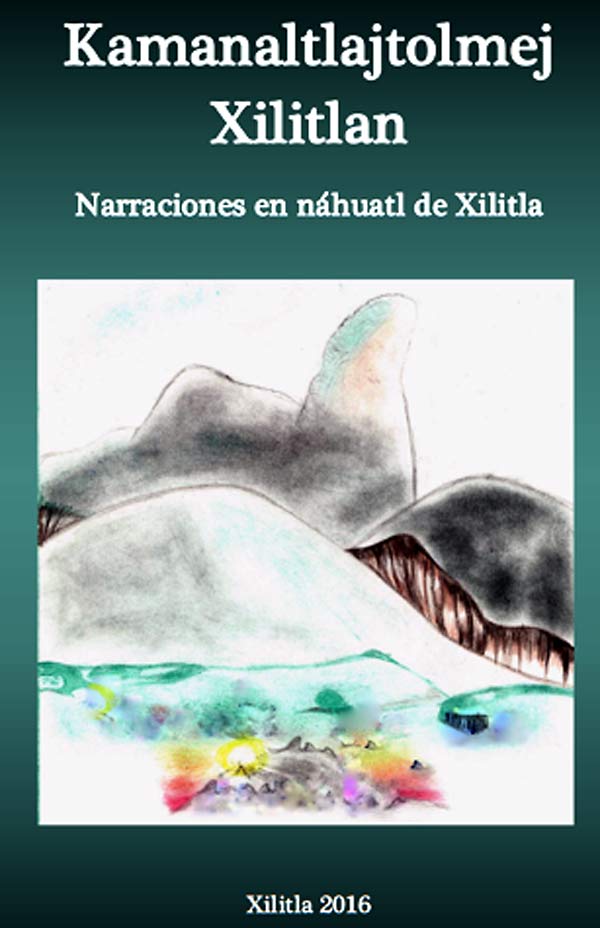
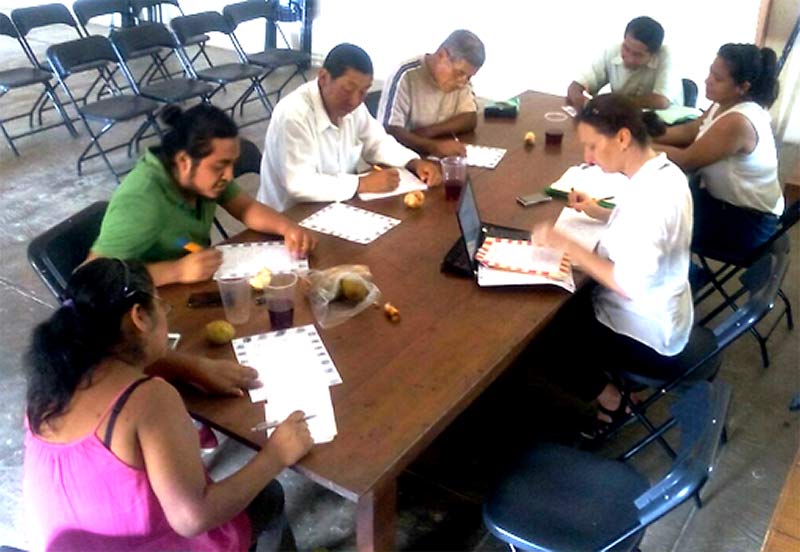
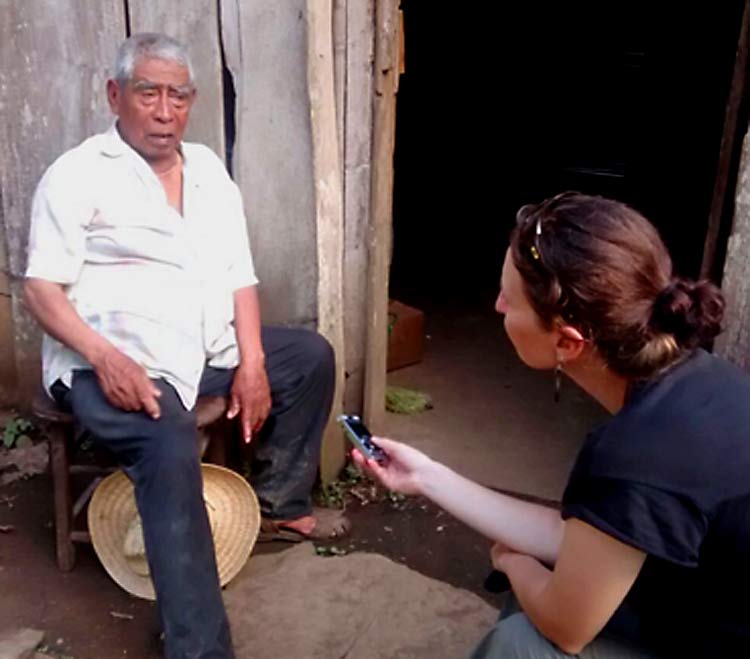
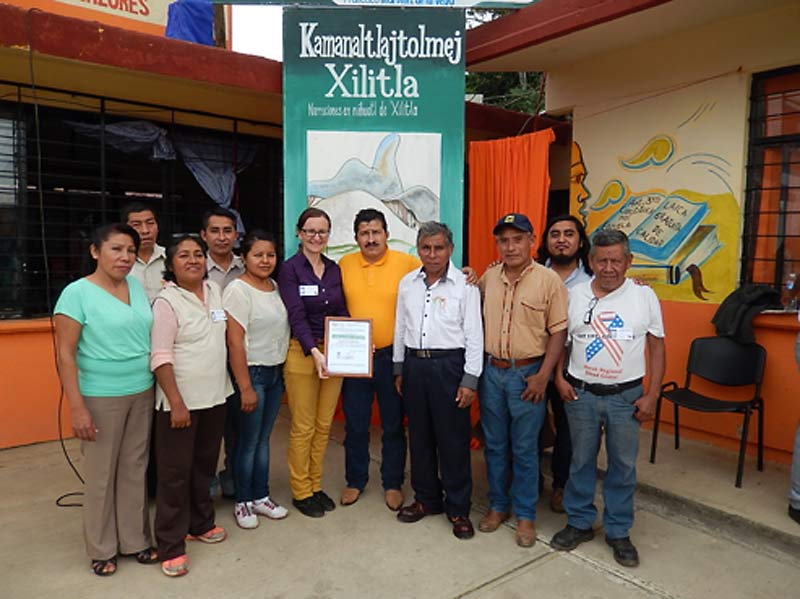
The goal of our project was to document oral tradition of the Nahua people from the region of Huasteca Potosina in Mexico, and from the municipality of Xilitla in particular. We did it in a form of a book-compilation of stories in the local variant of Huasteca Nahuatl (with translation to Spanish). The book, titled Kamanaltlajtolmej Xilitlan: Narraciones en náhuatl de Xilitla, was prepared by a group of dedicated native speakers of Nahuatl from various villages and myself as an editor-in-chief.
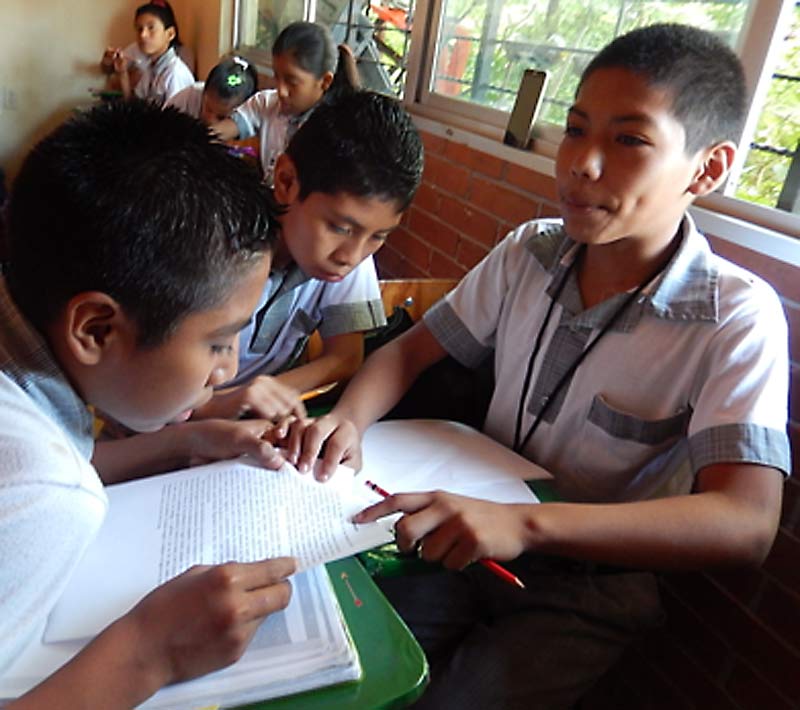
We recorded dozens of stories in Nahuatl about the nature, landscape and culture of the indigenous communities, from which 25 were chosen for publication. These represent the local variant of Nahuatl spoken in the villages Pilateno, San Pedro Huitzquilico, Uxtuapan, Itztacapa, Peña Blanca, El Naranjal, Cuartillo Nuevo, El Jobo, Agua Puerca, and La Herradura. Some of the stories were collected at local secondary schools where students were encouraged to speak to their parents and grandparents and write stories, legends and anecdotes in Nahuatl. The narratives are accompanied by drawings made by students at local schools, a local artist from Xilitla, and photographs.
1000 printed copies of the book are now being distributed in the Nahua villages in Huasteca Potosina, including schools, libraries, cultural centres, indigenous families and others interested in the Nahua oral tradition of the region. The book is also available online at https://torlino.wixsite.com/xilitlanahuatl.
The book was an integral part of the Huasteca Potosina Nahuatl documentation and revitalization project. We hope that the publication will also support efforts to revitalize Nahuatl among young people. As the stories are accompanied by Spanish translation, they can also be used as an aid in learning Nahuatl grammar and enriching Nahuatl vocabulary.
Title: Using Media to Document Waata Language and Cultural Practises
Country: Kenya
Language(s): Waata
Grantee: Larry Ndivo
Year: 2015
Project summary
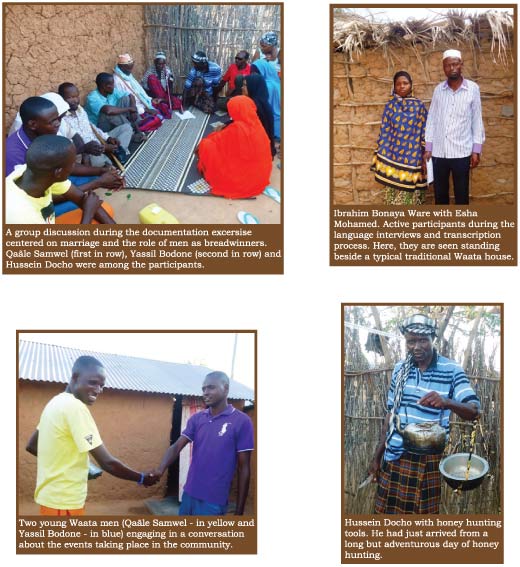
The project aimed to develop materials for the revitalization and preservation efforts of the Waata language. The language is spoken by nearly 13,000 indigenous people living in territorial groups on the coast of Kenya. Although it is actively used in everyday conversations, there are concerns by community members that it is not being transmitted to the younger members who are increasingly turning to the neighbouring Pokomo and Kamba. Also, the movement and dispersed settlement of the Waata community has led to a gradual diminishing of the indigenous speakers of the language.
The research process involved five elders of the Waata community who worked as language consultants and four younger members aged between 18-35 who assisted the researcher in making transcriptions and translations. A couple of interviews especially of the Waata King and some elders were conducted to establish the origins, cultural, social, political and economic activities of the Waata. Part of these interviews and a video of some dances constitute the documentation material for the project. In addition, the project resulted in an audio record and a published word list of more than 1000 items with examples of phrases and simple Waata sentences. This publication is designed to provide phonological, semantic and syntactic information on everyday usage of Waata language. The project also produced a sample oral narrative both in the Waata language and an English translated version. A short documentary of the sessions between the researcher and the Waata community members is available.
See online:
 FEL on Facebook